
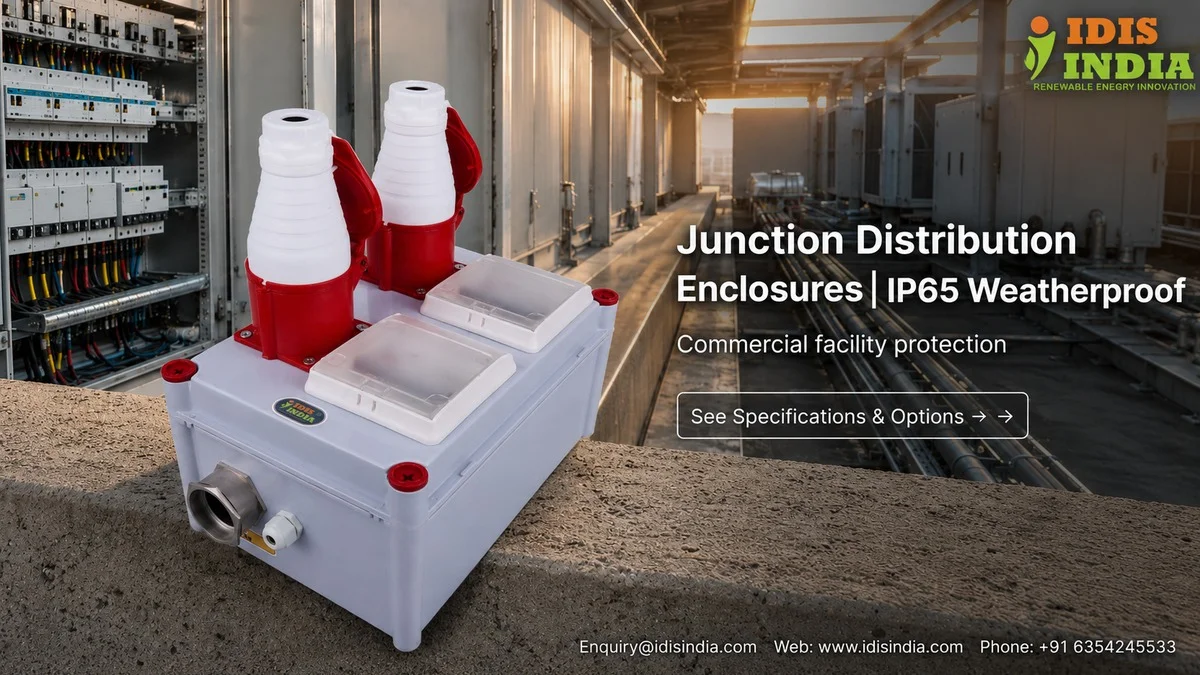
It shouldn’t be difficult to choose the right distribution and junction enclosure for your commercial facility. You need a secure safe electrical connector while simultaneously meeting the maintenance requirements and building codes. Electrical connectors located in commercial, industrial and outside facilities can be protected with our IP65-rated distribution and junction enclosures manufactured by IDIS India. We manufacture distribution and junction enclosures that include ABS, polycarbonate, and PC/ABS combination materials to meet your application.
Distribution Panel Load Balancing Configuration
The first step in correctly distributing loads is to have the correct design of the enclosure. Enough area has to be allowed in the junction distribution box for all of the incoming and outgoing circuits and separating the wires properly. Also, when commercial installations are built, they typically use several types of circuit protection types within one enclosure. How can balanced loads be determined? The answer lies within the design of the compartments and the wire routing area. In addition, I-closure junction distribution enclosures come with mounting rails that have been designed to allow mounting of standard DIN rail items. This allows for the installation of multiple MCBs, contactors, or distribution blocks inside one weatherproof enclosure. Assorted wholesale factory junction box selections offered by electrical distributors Dealer MCB boxes include a pre-configured mounting style; custom mounting for three phases, or three-pole, of circuit protection (this includes MCB); options of positions for neutral and ground bars; polycarbonate material provides high-quality use and excellent insulation characteristics; and, once rated IP65, internal components of the distribution enclosure are shielded from dust and water entry.
Multi-Circuit Breaker Spacing Solutions
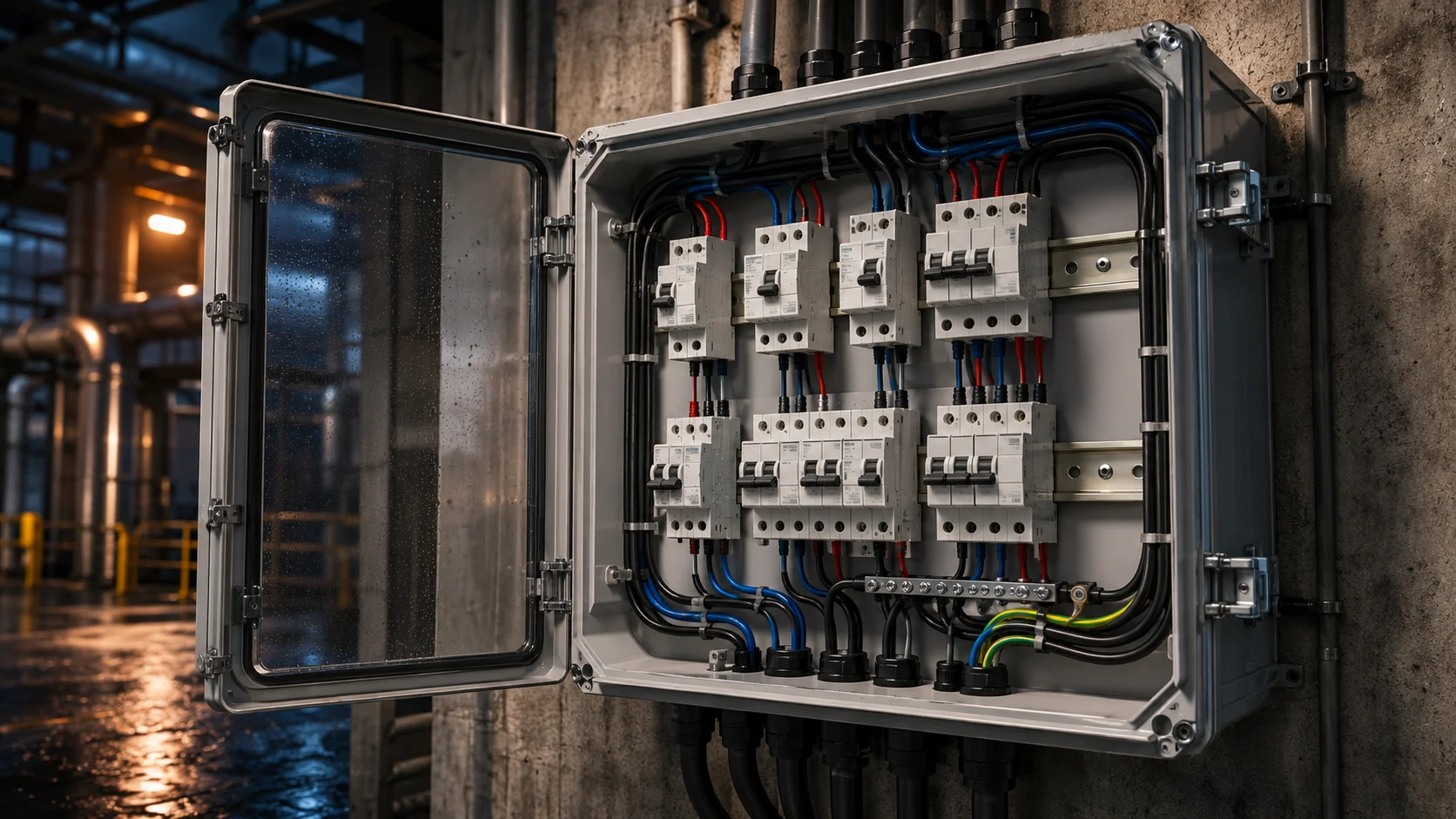
The space between circuit breakers also has an impact on efficiency of installation and long-term serviceability. Typically with standard din-rail mounting there is not sufficient clearance for terminating wires and making future modifications. Junction Boxes from IDIS India provide sufficient depth for maintaining the wire bending radius – this reduces fatigue on wires and assists with keeping the connections reliable over time. Therefore here are some spacing considerations to keep in mind when you are installing a junction box: Minimum spacing between adjacent circuit breakers For wire entry/exit routing clearance Label visibility and accessibility requirements Future expansion/system requirements Our Tool Enclosures provide the capability to install multiple circuit breaker sizes and configurations in one enclosure by allowing the use of single-pole, double-pole, and triple-pole circuit breakers within one tool enclosure for your load requirement.
Junction Wire Management Systems
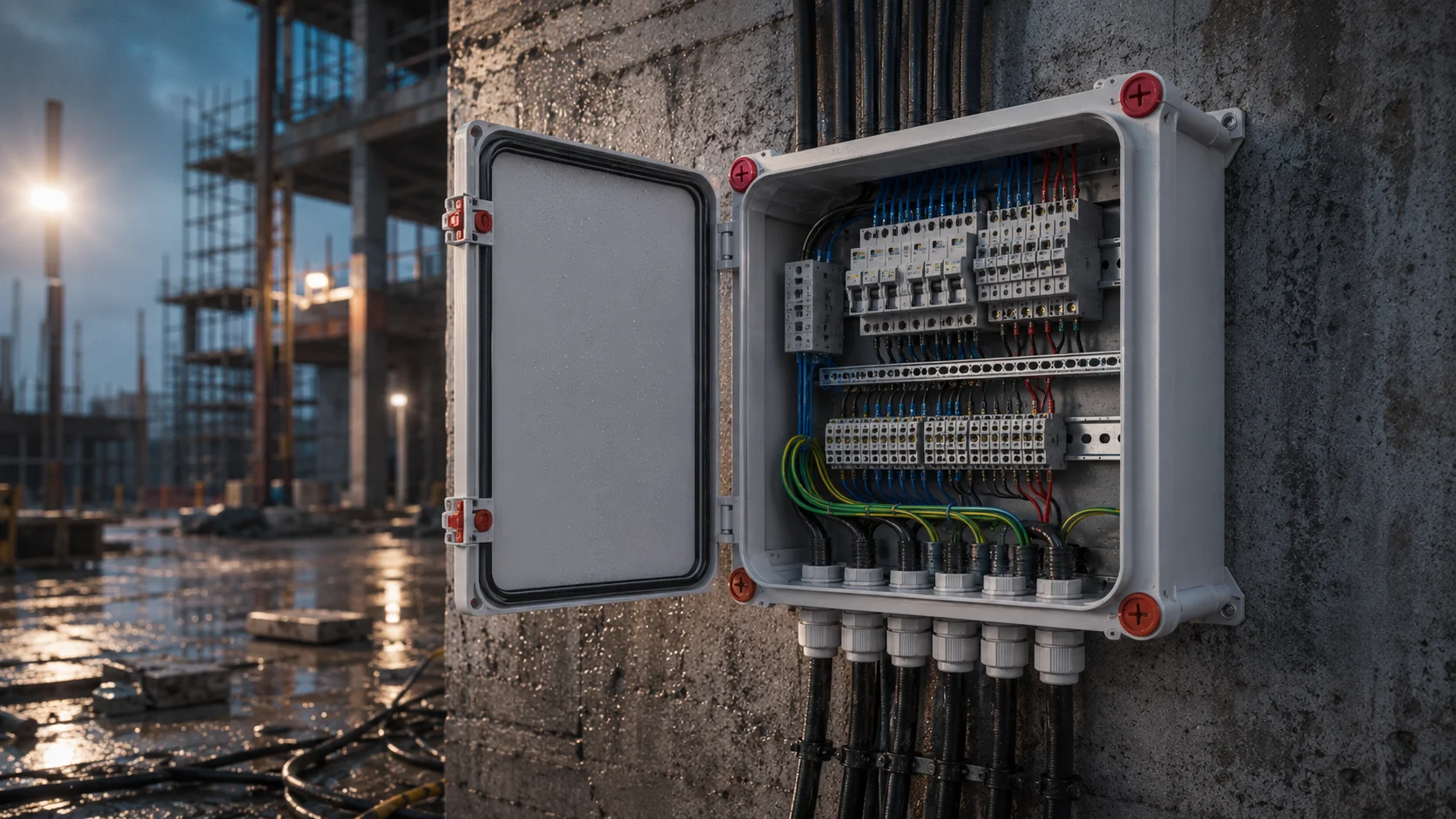
The way wires are run through junction distribution enclosures has a direct impact on the amount of time it takes to install them, as well as how effective and easy the process is when troubleshooting the system. Poor wire routing can lead to maintenance headaches and possible safety concerns. A professional installation will possess an organized route for the wires that separates the power and control circuits. I-closure junction boxes have features that provide internal wire management to help keep the connecting wires neat and accessible. Some key elements of wire management include: dedicated cable exit points that are compatible with a cable gland style connector, internal wire ways that provide separation between the power and control circuits, and installed strain relief locations. Junction boxes on the project job site are typically subjected to harsh conditions during construction. Our junction boxes are rated to the IP65 standard, and they will provide an enclosure for protecting wire connections from concrete dust, moisture, and debris associated with construction. The box will also provide easy access to modify the wiring.
Facility Power Grid Integration
At junction distribution enclosures are important junctions in the power grid of a facility. They must perform reliably for normal operation or emergency situations. In the case of many commercial buildings, flexibility is important in the way that power is distributed, as tenant requirements may change over time. Your junctions must have sufficient spare circuit capacity for future circuit additions, without having to modify existing circuits or their wiring. IDIS Indias contractor bulk enclosures offer standardised solutions for commercial buildings that are designed to accommodate large installations, thus reducing inventory complexity, enabling standard quality to be delivered across all installations in a facility. When considering how to integrate a junction box into its environment, here are several considerations: Main Panel Coordination and Protection Selectivity Emergency Power Switching Capabilities Monitoring System Compatibility for Junction Box’s Future Loads The material PC/ABS has the strength of polycarbonate material along with the ability to work with and modify its configuration during installation when power grid changes develop.
Commercial Building Code Compliance
Electrical enclosures will have codes that govern their use in commercial settings. These codes will describe everything from how high the items are to how they must be accessible. I-closures that were manufactured for use as junction distribution will meet various safety standards such as CE and RoHS. Along with conforming to ISO9001 from a quality standpoint to guarantee that all units produced are consistant in construction methods to support compliance with code. Examples of common codes for junction distribution boxes: ⦁Minimum distance from floor and ceiling to top or bottom of box ⦁Space around and under box for Maintenance Access ⦁Grounding and Bonding Requirements ⦁Arc-fault and Ground Fault Protection Coordination Please be advised however… that Local Jurisdictions may have different requirements for you. Therefore, always check with the Local Authority Having Jurisdiction (AHJ) to verify what the Current Codes are regarding your enclosure before installation/selection process begins.
Electrical Room Ventilation Requirements
The electrical room should contain a junction distribution enclosure that allows proper venting and heat dissipation. This can help to limit temperatures in enclosures that may have long-term effects on the performance and reliability of components. A properly designed enclosure with ventilation will also help to reduce the opportunity for moisture to form within the enclosure, while still providing IP65 protection. Achieving this balance requires extensive evaluation of the enclosure’s positioning and the layout of the components inside. Additionally, electrical room ventilation considerations include: The circulation of air around the surfaces of the enclosure The heat generated by the components contained within the enclosure The need for humidity control within the enclosure The temperature within the enclosure and any associated alarm systems. IDIS India has resources available to assist with determining proper enclosure sizes and placement to increase thermal management efficiency. Our engineering experts understand the impact of components’ material selections on their ability to dissipate heat in the electrical room application environment.
Maintenance Access Door Positioning
Long-term operating expense relies heavily on having access to maintain equipment. Junction enclosure/distribution enclosure requires ease of access to perform regular inspections, test equipment and change out parts. The way the door opens impacts both the safety and speed with which maintenance could be performed. If a wall-mounted junction box, then front access would be ideal; jeśli a floor mounted junction box, then top access would be more suitable. Access considerations can include: Door swing clearance in tight areas Lock and latch mechanism to secure Internal component visibility and reach Special tool required to perform maintenance I-closure enclosures are designed with a durable hinge that maintains its integrity over time, regardless of how often the enclosure is accessed. Polycarbonate material resists damage from constant opening/closing. If you would like assistance in selecting the proper junction distribution enclosure for your specific application please contact IDIS India. Our staff will be able to recommend size, material and configuration that meets your installation needs and comply with your applicable laws.
Need Help Choosing the Right Enclosure? Get in Touch!