
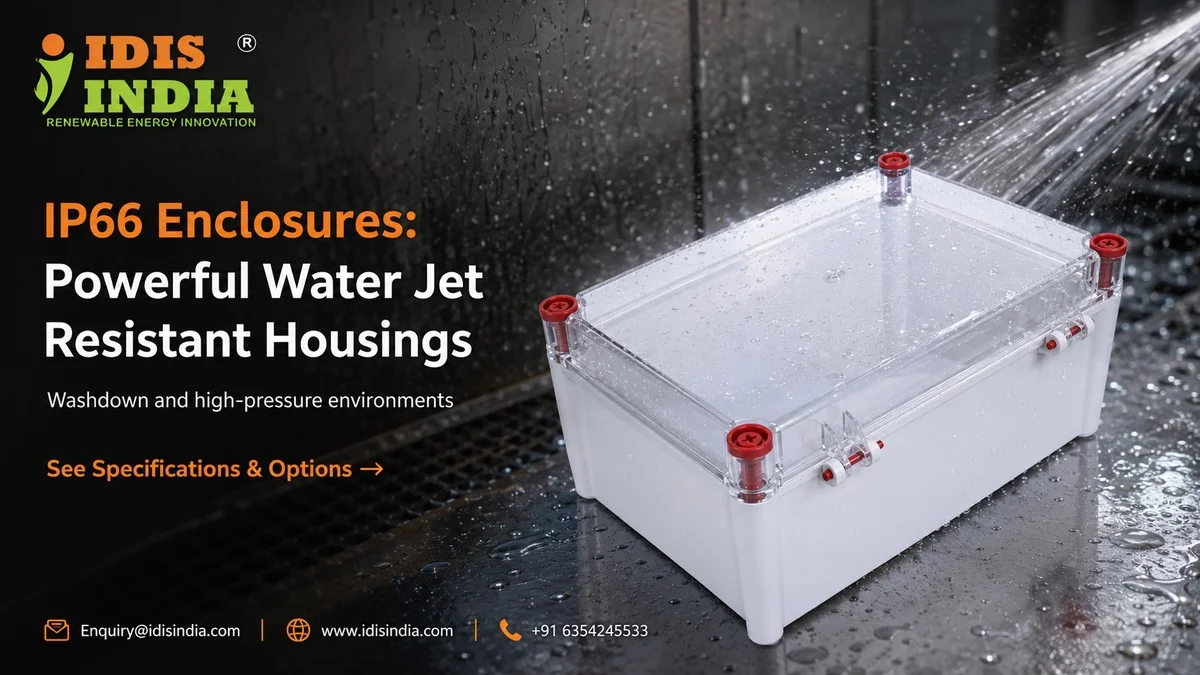
The time it takes for conventional electrical enclosures to fail when exposed to water jets, high-pressure spraying, or aggressive washdown methods is nearly impossible to measure. If you have a need to protect and perform in your facility, IP66 rated enclosures provide complete dust-tight seals and high-intensity resistance to both directional and non-directional water jets. I-closure understands the critical nature of preventing equipment failure in food processing, dairy, and marine applications during a washdown; therefore, IP66-rated enclosures are engineered specifically to protect your electrical components from damage, thereby ensuring your electrical component continues to operate reliably even under extreme wet conditions. Most importantly, these enclosures are designed to withstand the maximum amount of pressure your cleaning systems can generate.
Understanding IP66 Pressure Jet Testing Standards
IP66 testing uses high-powered water jets from a 12.5mm diameter nozzle with enough pressure to damage most enclosures. Water is projected at the test object from all four sides, so if spray hits the object from any angle, it passes the test. Here’s a list of the requirements that make IP66 testing difficult. Flow Rate of Water: Approximately 100 liters of water per minute. Pressure: 100kPa at 3 meters. Duration: At a minimum, 3 minutes for every square meter of surface area on the object being tested. Direction: All Directions. IDIS India manufactures enclosures that consistently meet these harsh testing requirements. Our polycarbonate and PC/ABS combination materials provide sealing performance even after multiple exposures to high-pressure water jets during testing. However, testing alone is not enough. Real-world performance in a facility is determined by the materials and techniques used to install the enclosure.
Critical Washdown Application Requirements
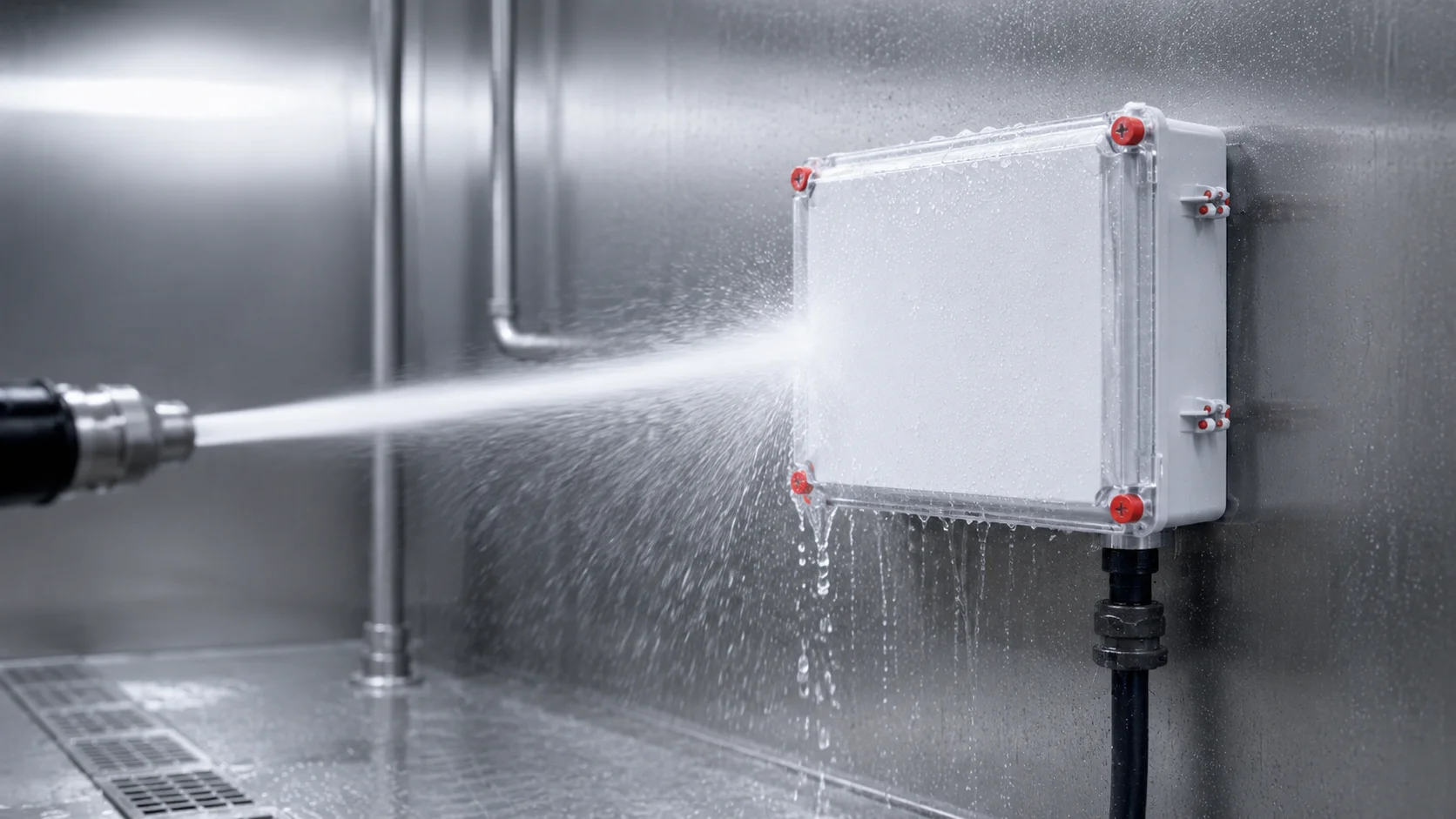
Electrical enclosures are designed to withstand the challenges of a food processing washdown system, such as exposure to steam, chemicals, and high-pressure water from washdown equipment. IP66 enclosures are required to withstand the following specific challenges related to a food processing washdown system: temperature cycling from ambient temperature to temperatures required for steam cleaning; chemical exposure from of sanitizing solutions; repeated pressure cycling during cleaning cycles; and extended moisture exposure in between cleaning cycles. I-Closure designs have been developed to meet the above-mentioned washdown challenges through their built-in advanced sealing systems and chemical resistant materials. Our gaskets maintain their compression after thousands of pressure cycles which prevents gradual degradation of the seal and eventual failure of standard enclosures due facilitate leakage of contaminants into clean areas or loss of protection against dust, water, or other matter that would potentially cause electrical failure.
The smooth-surface designs that we manufacture are particularly advantageous for dairy applications because they provide a conducive surface for preventing the proliferation of bacteria. In addition, the seamless element of our enclosures eliminates crevices where contaminants could accumulate between washdown cycles.
Sealing System Performance
There are several seal barriers in place at all likely locations where water can enter the machine; a primary seal that controls direct pressure and an additional seal to prevent moisture from moving into the machine after long periods of being wet.
Based on our test results, we can confirm that the seals will remain intact for many years of use. The longevity of the seal is ultimately determined by how frequently the machine is cleaned and what chemicals are used to do so.
Food Grade Material Standards and Compliance
The food processing industry requires that the materials used for processing not be a source of contamination with finished products or breakdown during cleaning and sanitizing operations. The plastics that are typically used today cannot withstand the harsh and strong cleaning chemicals used in food factory environments. IDIS India has selected food-safe polycarbonate and PC/ABS blends that conform to all required safety standards for all food contact surfaces. The products identified in the list below are resistant to some of the most common sanitizing solutions used in the food industry today: Chlorine-based sanitizing solutions, Quaternary Ammonium Compounds, Peracetic Acid Systems, Sodium Hydroxide. In addition to the chemical resistance of the materials, consideration also has to be given to the thermal expansion coefficient of the materials used in relation to the environment where the product will be installed in order to minimize the chance for seal failure due to temperature cycling. Our engineering staff has the expertise to recommend the proper grade of materials depending upon both your cleaning process and the projected temperature range of your operation. Feel free to contact us if you would like to receive a complete list of the compatibility of your particular sanitizer solution with our product.
Surface Finish Requirements
To avoid bacterial growth and allow for easy cleaning validation, having smooth and non-porous surfaces is very beneficial. Furthermore, I-closure will stay within the surface roughness tolerances to facilitate effective sanitizing; however, it will also withstand the effects of repeated cleaning by remaining intact.
High Pressure Spray System Compatibility
The pressures generated by cleaning systems have risen to a point where they now regularly exceed what even IP66-rated enclosures were originally intended to handle. Whether through a combination of spray nozzles, rotating heads, or automation during washdown cycles, the pressures produced can test the seal of an enclosure from angles previously unanticipated. Your enclosure will also need to be rated to withstand direct exposure from a downwards spray, while at the same time providing a level of electrical safety to personnel within the enclosure. Therefore, when designing your enclosures there are several factors you need to consider: Gasket compression ratios while under pressure, Drainage path design to avoid the accumulation of water in the enclosure, Ability of thermal expansion during heated cleaning processes, Ability to seal cable entries while under differential pressure. At IDIS India, we test our designs using cleaning equipment that closely resembles what you would find in the food processing industry. We can simulate rotating spray heads, high-pressure lances, and automated cleaning systems to ensure that our designs perform as expected in real-world applications. Performance can be greatly affected by the installation orientation of the enclosure. A wall-mounted unit will have different drainage requirements than a floor-mounted unit exposed to spray from multiple directions.
Pressure Relief and Drainage
IP66 rated enclosures require designing a drainage system to help establish proper hydrostatic pressure prevention. Therefore, the locations of each drain holes should be strategically located, as well as using pressure-relief features, to help maintain the seals’ integrity when subjecting to prolonged washdown applications.
Marine Environment Salt Spray Performance
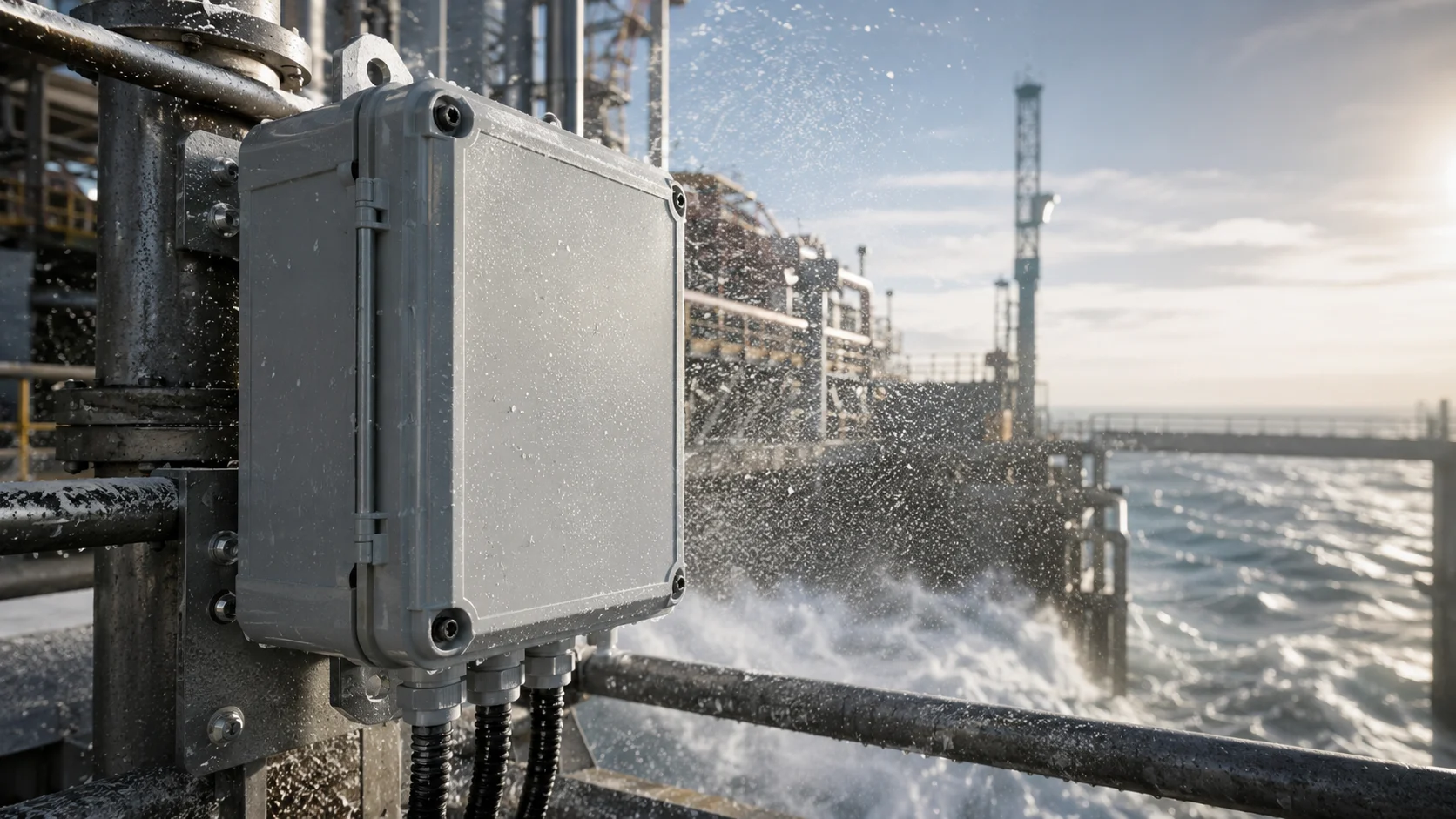
Marine installations continue to have different challenges other than a simple water barrier. There are challengers created by a salt mist (a.k.a. sea spray) which are corrosive in nature and lead to early degradation of the seals and materials used in most enclosures. I-closure has used its marine-rated IP66 enclosures as well as its enhanced sealing systems that are rated for salt spray exposure. In addition, our materials are resistant to stress cracking caused by chloride, and they remain flexible during temperature cycles. Regular maintenance and cleaning of the accumulation of salt around seals must be done with awareness; our designs minimize salt trap area while maximizing access for both cleaning and inspection.
Some typical marine applications are as follows: -Offshore platform control systems -Automation systems for port facilities -Processing plants on the coast -Marine loading terminals -UV radiation (the sun) increases the effects of salt spray present in a marine environment.
UV inhibitors in our polycarbonate formulations help to preserve the material properties and appearance of our polycarbonate through many years of outdoor exposure to UV radiation. For recommendations on specific marine grade materials based on your geographic location and exposure conditions, please contact IDIS India.
Pharmaceutical Cleanroom Integration Methods
Pharmaceutical facilities need to have IP66 protection for cleaning validation and at the same time be compatible with cleanrooms in normal operations. This “dual capability” requirement adds a unique challenge to the design of a given facility. In general, enclosures that are compliant with cleanroom requirements must not generate any particles while also being able to withstand the use of an aggressive cleaning method to decontaminate the enclosure. Additionally, smooth surfaces; rounded corners; and seamless construction will help reduce the total number of particles that would be generated and facilitate the cleaning process after validation. The I-closure design for use in pharmaceutical applications offers the following features: low-outgassing materials which do not contribute to pollution in cleanrooms, smooth surfaces compatible with disinfectant wipes, cable entries that are sealed so as to limit contamination paths, and flush-mount options for mounting to walls/floors. While the exact requirement for validation documentation will vary by facility and/or regulatory authority, IDIS India will provide certifications for materials and testing data that supports your validation process.
Decontamination Cycle Resistance
Multiple exposures to hydrogen peroxide vapors, ozones, and other decontamination agents test how well materials are compatible with these agents over time. The properties of the materials we supply will remain consistent through normal decontamination cycles but you will need to verify the compatibility of your own materials according to your procedures.
Beverage Processing Installation Best Practices
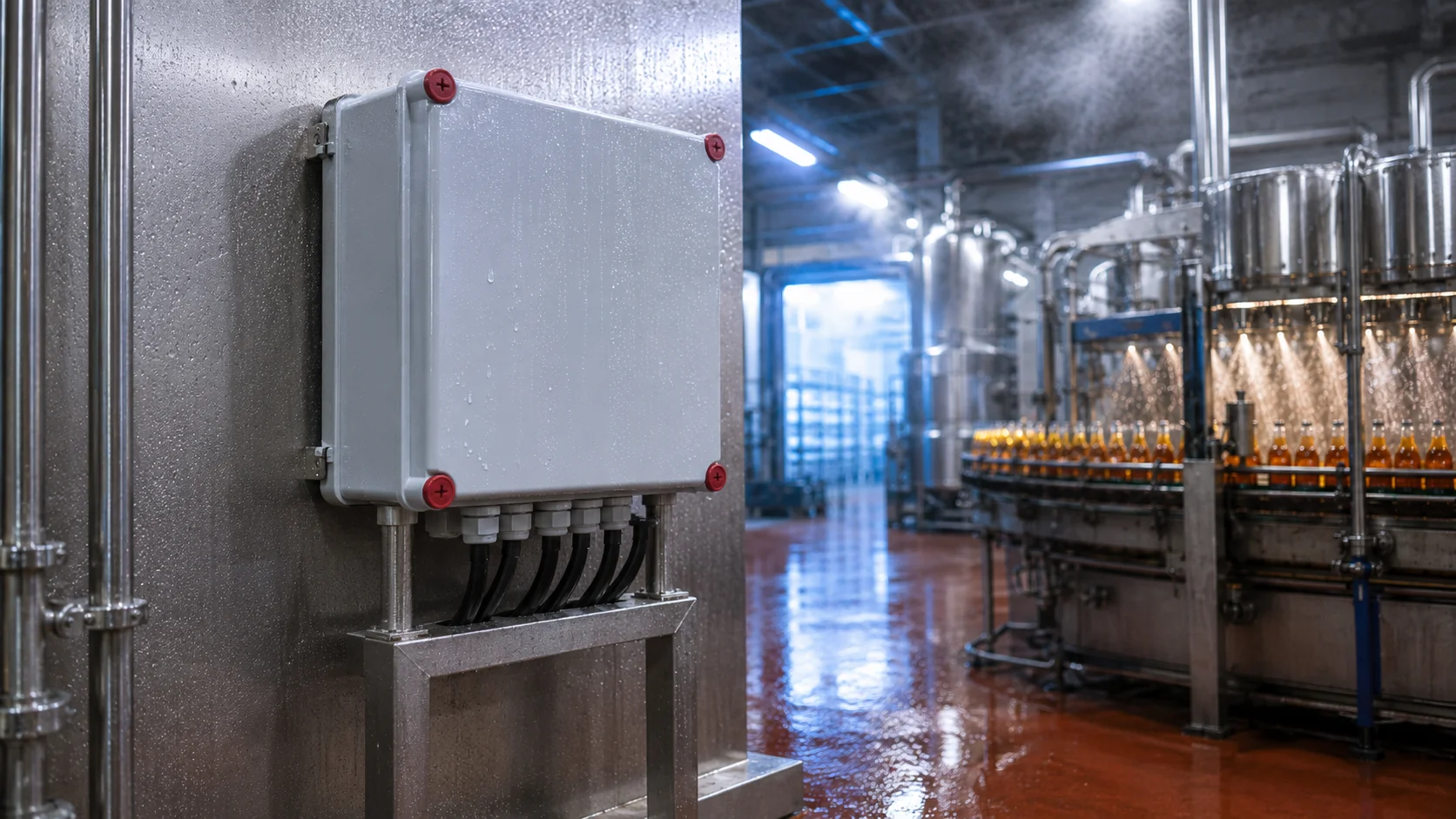
Beverage plants face many of the same types of challenges found in other food processing industries. The combination of sugar solutions, acid cleaners, and high-temperature sanitizing creates very aggressive environments for electrical enclosures. Therefore, it is critical that proper installation be performed to ensure the most effective long-term operation of your enclosures.
The following four factors will affect how well your IP66-rated enclosures perform during the washdown process:
1. The height of your enclosure, above normal spray areas, whenever possible 2. The orientation of your enclosures, when mounting, should allow for proper drainage and protection against water entering through cable entrance points 3. The clearance, around your enclosures, must be adequate to allow access to clean 4. The support structure that will be provided to support the impact of the cleaning equipment on your enclosure
Many beverage processing facilities produce sticky byproducts during their processes, which makes cleanup more challenging.The internal and external surfaces of the enclosures must resist the accumulation of sticky residues and provide a smooth finished surface to allow for effective sanitization.
The IDIS India team can provide recommendations related to installation in a beverage processing environment and has deep experience with the challenges of breweries, soft drink manufacturers and juice production facilities. The impact on the integrity of the enclosure seals will be significant due to the continued cycling between refrigerated storage areas and the heated processing areas. Our gasket assemblies are designed to withstand the temperature cycling and retain their ability to meet the protection degree of IP66.
Maintenance Access Design
The importance of consistent maintenance and inspections in the beverage manufacturing industry continues to escalate. Enclosure designs need to offer both the required level of protection (IP66), as well as ensure that an adequate level of access exists to routinely provide needed maintenance. Are you ready to protect your most critical electrical components using tried-and-true IP66 rated enclosures? Contact your local I-closure representative today for application-specific assistance with recommendations and technical specifications. Our experts can suggest the appropriate materials and configurations based on your specific operating environment.
Need Help Choosing the Right Enclosure? Get in Touch!