
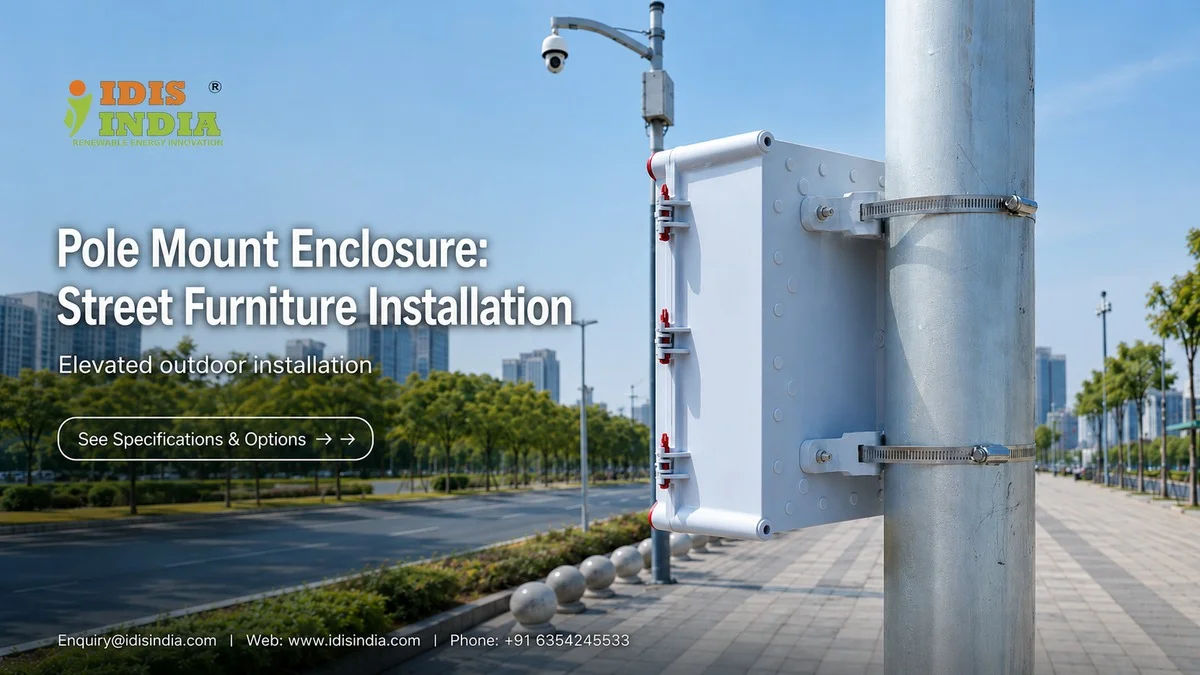
When installing electronic devices on poles across a city, you’ll find that you have to contend with an ever-changing weather pattern from Mother Nature. The use of I-closure pole mount enclosures is a smart move for all projects requiring electronic equipment attached to a street furniture type installation, as well as providing reliability for the equipment. The enclosures from I-closure have been designed to serve municipal engineers and telecommunications contractors, who cannot afford to have their equipment fail. The enclosures can accommodate anything from CCTV cameras and small cell facilities, to street lighting control systems and other electronic devices needing to be protected at a height that makes them difficult to maintain.
Pole Vibration Dampening Systems
The vibration associated with street poles can result from various sources including vehicular movement, wind and construction. They can also negatively impact sensitive electronic devices connected to the poles over time from continuous micro-movement. To counter this effect, IDIS India’s pole mount enclosures come with built-in dampening features designed to protect equipment from micro-movement caused by vibrations.
The brackets themselves contain flexible gaskets used to cushion against vibration and provide secure mounting to a variety of different pole diameters (50mm – 150mm). What makes the mounting brackets work better than others is the use of stainless steel band clamps which evenly distribute stress around the entire circumference of the pole. This eliminates localized areas where there may be concentrated stress resulting in potential failure of the mounting bracket or damage to the pole over time due to differential distribution of stresses between components.
The vibration Dampening System provides an average of 60% – 70% reduction in transmitted vibrations to the mounted equipment based on the type of pole and environmental conditions in the area where they are located. For exact specifications for your installation please contact our technical support team.
Wind Load Safety Calculations
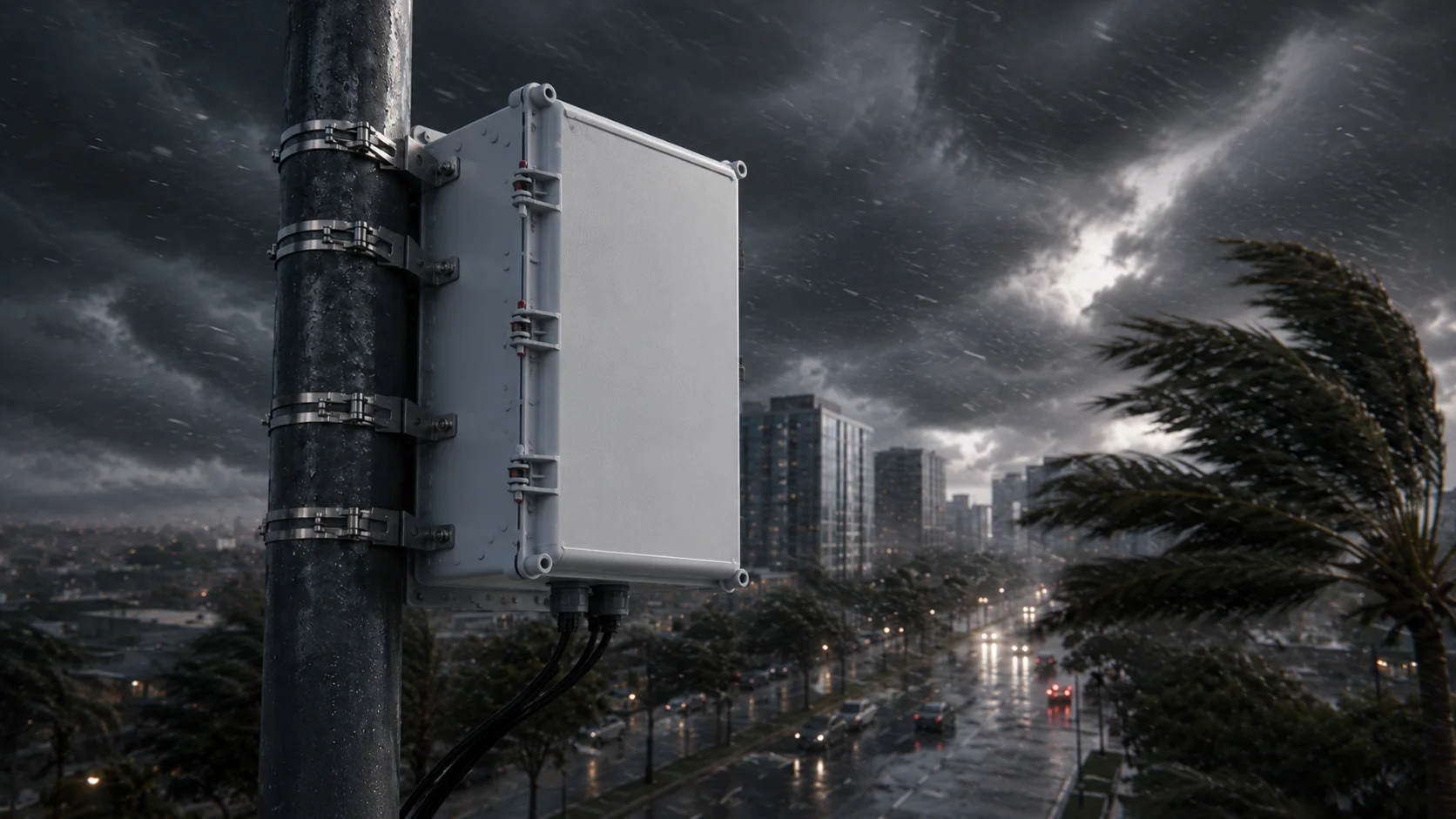
The amount of wind load increases exponentially with increasing elevation, and using poles to mount equipment adds more surface area to catch the wind (i.e., sail up the wind). So how do you ensure that your equipment remains securely attached? Our engineers will provide individualized wind load calculations for your enclosure based on the height and size of the enclosure you want to mount. The wind load calculations consider: Enclosure surface area and wind profile Pole dimensions and materials Weather conditions, including local wind speed safety factor for extreme weather conditions. I-closure group poles have been tested under wind speeds of approximately 150 km/h (when installed correctly). Many times, however, a pole will have many factors that can cause its wind stability to vary (i.e., pole specification, mounts). Therefore, before installing your equipment, we highly recommend having site-specific wind calculations performed. The mounting system is designed so that it distributes wind loads through multiple points of attachment to help reduce the overall loading on each individual fastener. This method provides much greater assurance of long-term reliability in high wind application.
Telescoping Bracket Adjustability
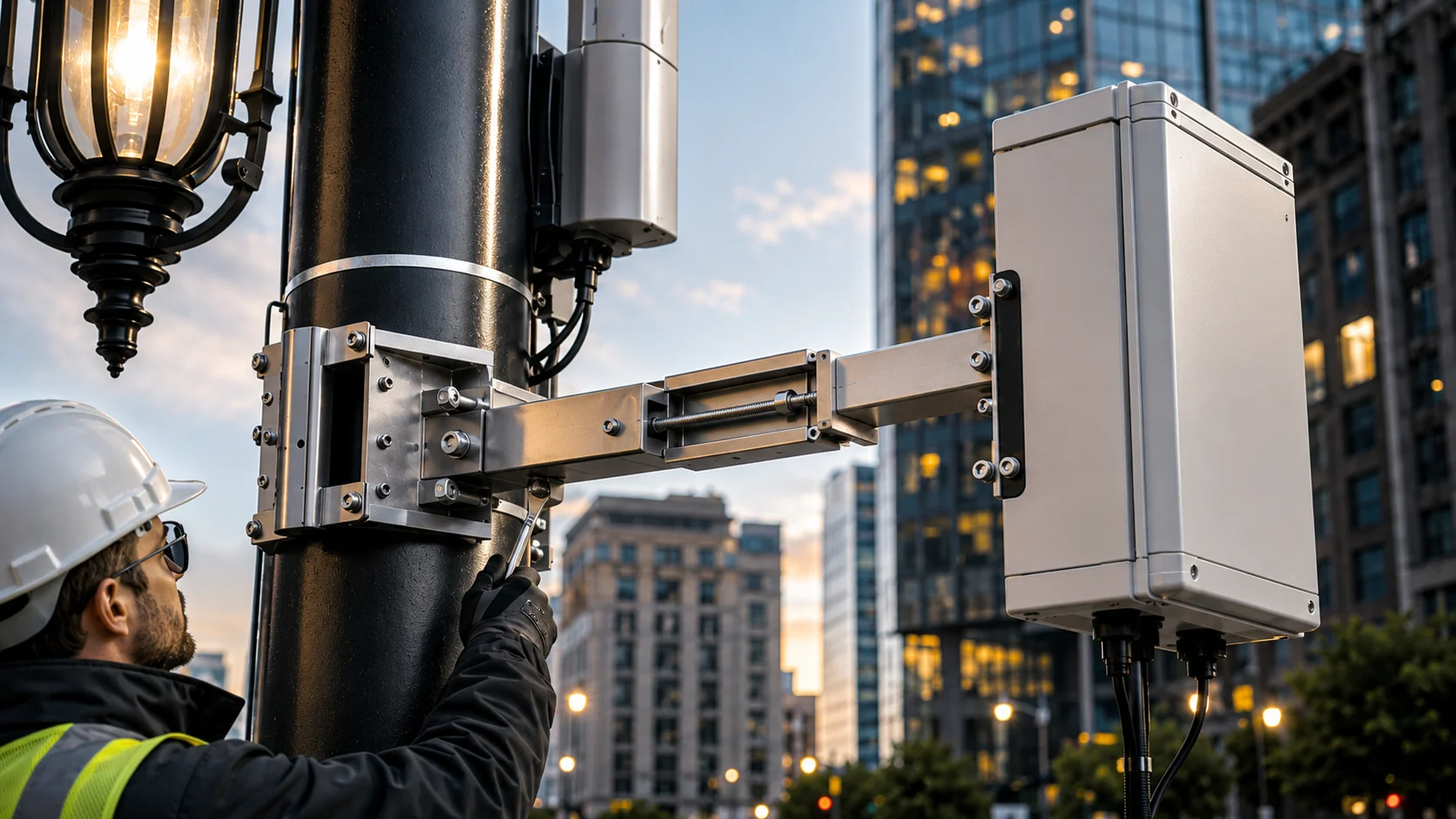
Pacing isn’t the same for each pole type. Depending on if you are installing a streetlight pole, utility pole, or custom installation it will require different distances between the pole and the mountings for the equipment installed on them (i.e. electric and illumination equipment). Our Telescopic Bracket System allows for the adjustment of the enclosure position in the field, without removing all of the mounting equipment from the pole. The brackets extend from approx. 150 mm (6 inches) to 400 mm (16 inches) off of the pole centerline, allowing you to meet your clearance requirements. This process is extremely beneficial when needing to install around existing equipment or when needed for specific clearance for maintenance accessibility. The telescoping portion of the bracket system locks into place at the desired location within the overall adjustment range of the bracket systems by use of a threaded rod, thus locking in at the desired point securely. The entire telescoping bracket system uses materials that have been treated for corrosion resistance to allow smooth adjusting of the brackets even after multiple years of exposure to the elements outdoors. Stainless steel hardware is used to avoid galvanic corrosion when installing on either aluminum or steel poles.
Street Level Maintenance Access
Pole-mounted enclosures often have to be opened by using special tools cars have; however, this shouldn’t happen each time there is an accident with the pole mount. The way we design our enclosures, with regards to how they can be installed will make it easier for the technician or anyone else that needs to maintain the enclosed equipment. When you are installing one of our enclosures you will have the option of choosing whether you want to access your venting from the left side or right side (meaning you will have two options) of the enclosure. Our enclosure design also provides you with an option of having your door open from the left side and have no problems accessing the enclosed equipment. As a result of our design features technicians will not have the additional costs associated with needing to use specialized tools for accessing an improperly designed enclosure. In summary, by having one way of opening an enclosure and having the ability to select which way you want to open it, eliminates any additional costs incurred by the technician for having to rely on using a specialized tool or having to purchase a special tool to access an improperly designed enclosure.
Multi-Band Antenna Mounting
Many modern street furniture installations have multiple antennas (cellular, Wi-Fi, and emergency communications) and can/should include monitoring of those same antennas as well. I-closure pole mount enclosures include dedicated antenna mounting provisions that are part of the main enclosure structure. The antenna mounting points have been designed to withstand wind loads imposed by the use of antennas, but will not compromise the integrity of the enclosure. The antenna mounting systems will station hold antennas up to 2 meters long, but it will vary depending on the wind load of the antenna, along with the local conditions where the antenna will be placed. You can contact our engineering team to provide you with load calculations based on how you are going to configure the antennas. The cable routing from the antennas to the enclosure is based around sealed path ways to maintain an IP65 or IP67 level of protection throughout. The enclosure and the antennas have multiple entry points to accommodate different antennas and cable routing requirements from each antenna. Thus, the advantage of the integrated design means that there are no separate antenna mounting hardware components, therefore reducing complexity of installation and potential failure points.
Utility Pole Load Distribution
There are maximum weight limitations placed on utility poles. The addition of electrical devices will change how utility poles are calculated for load. It is important to use mounts that are appropriate and safe as well as effective within each utility pole’s specifications. Our pole mount brackets are designed to spread the load of the equipment across a large area (the surface of the mounting bracket). The band clamp type of design further helps to distribute the loads evenly around the entire circumferential surface of the utility pole rather than creating image stresses upon the utility pole structure. The calculations performed for load distribution take into account both the static weight and the dynamic loads from wind, vibration, and thermal expansion. The average additional weight (added by the installation of the mounting system) to the utility pole when the equipment is fully populated is less than 15 kg; however, the exact weights will vary based on the size and configuration of the enclosure used with the installed equipment. Our engineering support team can provide an evaluation of the combined loading of existing equipment on utility poles to verify that proper safe installation limits are met, avoiding modern force reinforcement or replacement of the pole structure. This also results in reduced deflection of the utility pole under wind loads, which improves the overall system stability and the overall reliability of the equipment.
Conduit Entry Storm Sealing
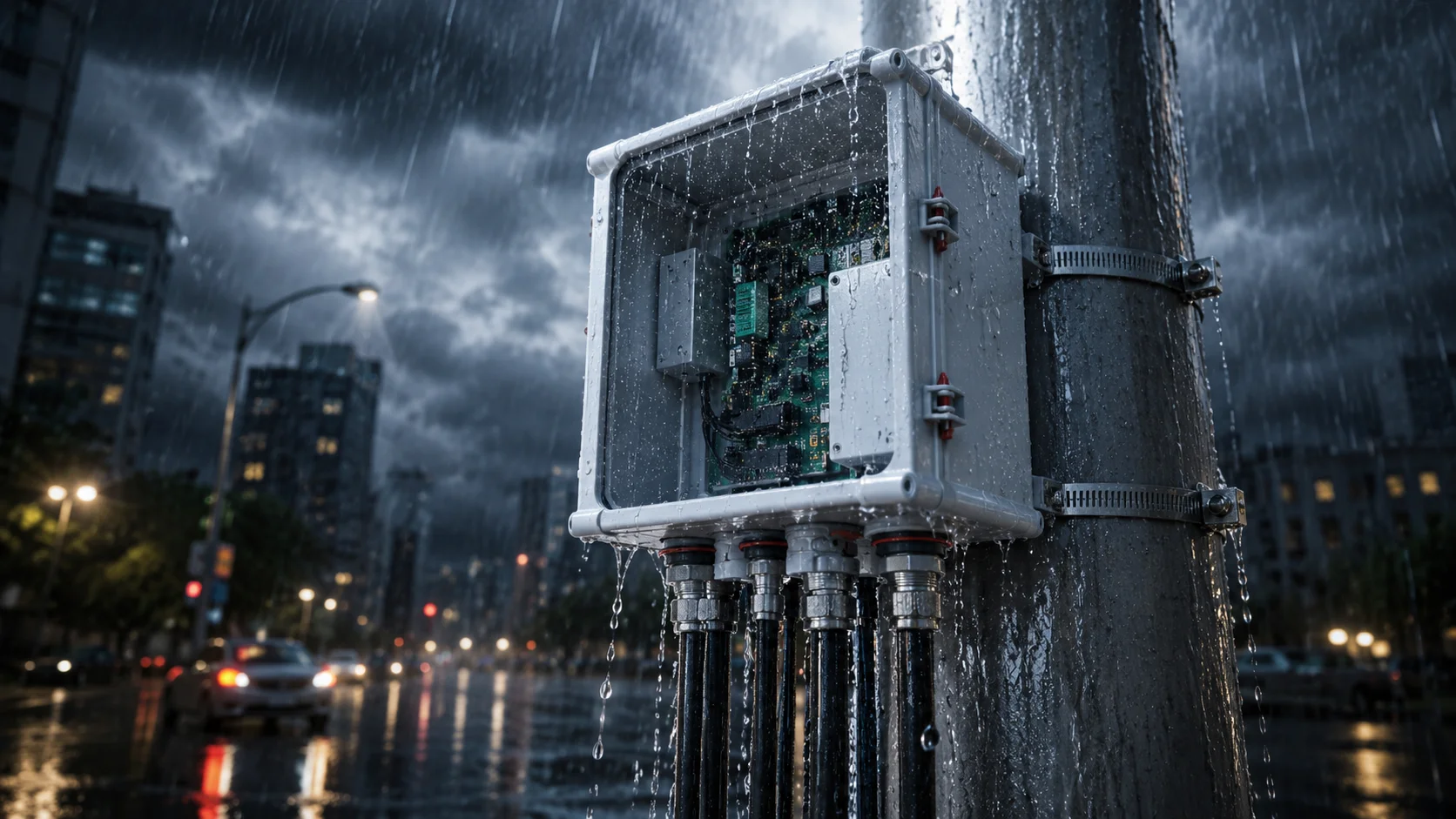
Water entering through cable entries is the leading cause of damage to pole-mounted electronics. What can be done to seal conduit entries that house different types of cables? IDIS India’s pole mount enclosure utilizes a multi-layer sealing technique to provide protection against water from overhead wires, using a primary seal consisting of compression glands of varying sizes according to the specific type of conduit and a secondary seal for backup protection.
The conduit entry design can be used with standard electrical conduit sizes ranging from 16 to 50 mm (custom sizes available for non-standard applications). Entry points have been positioned to allow for the natural shedding of water and provide ease of access. The storm drainage system includes an area to remove any accumulated storm water around the cable entry areas, and the drainage system will divert any water away from the electronic equipment in the enclosure even in the event of a small leak from the primary seals. All sealing materials used for both seals offer resistance to ultraviolet light and will remain flexible when exposed to temperatures between -20 °C and +70 °C, with both types offering the ability to be removed and replaced without having to disconnect the cable from the enclosure.
Are you ready to specify pole mount enclosures for your next streetware project? Contact I-closure today for detailed specifications, mounting calculations, and recommendations based on your specific application. Let our technical staff provide you with support needed for successful installations that withstand the test of time.
Need Help Choosing the Right Enclosure? Get in Touch!