
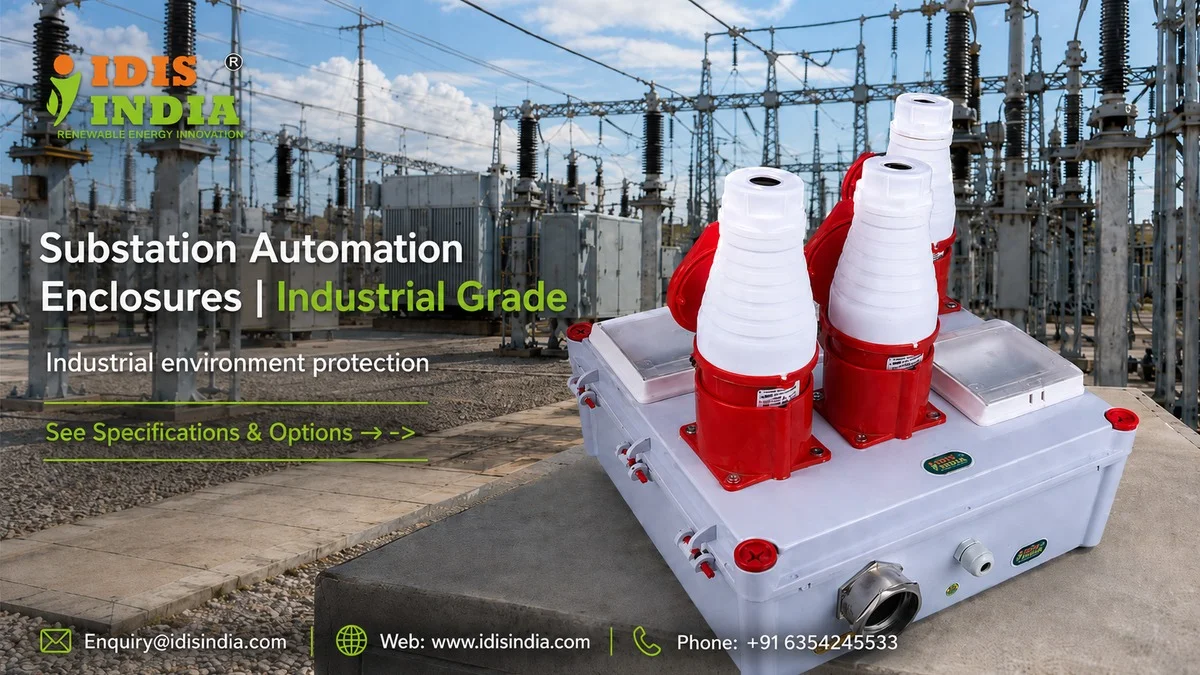
The power substations run on some of the most difficult terrains in the World. The automation systems at these substations are subject to harsh humidity, temperature, dust, and electromagnetic fields each day. The reality is that one failure of the equipment will result in a voltage drop over long distances, which will cause thousands of customers to be without power for an extended period of time. This is where industrial grade enclosure systems in substations come into the discussion. Since 2017, IDIS India has been supplying protective enclosures for critical power infrastructure; currently we support over 1200 customers with our I-closure line of customized enclosures. What makes these substation environments so difficult? Additionally, how do you decide what type of enclosure offers the greatest level of protection for your automation devices?
High Voltage Arc Flash Containment Requirements
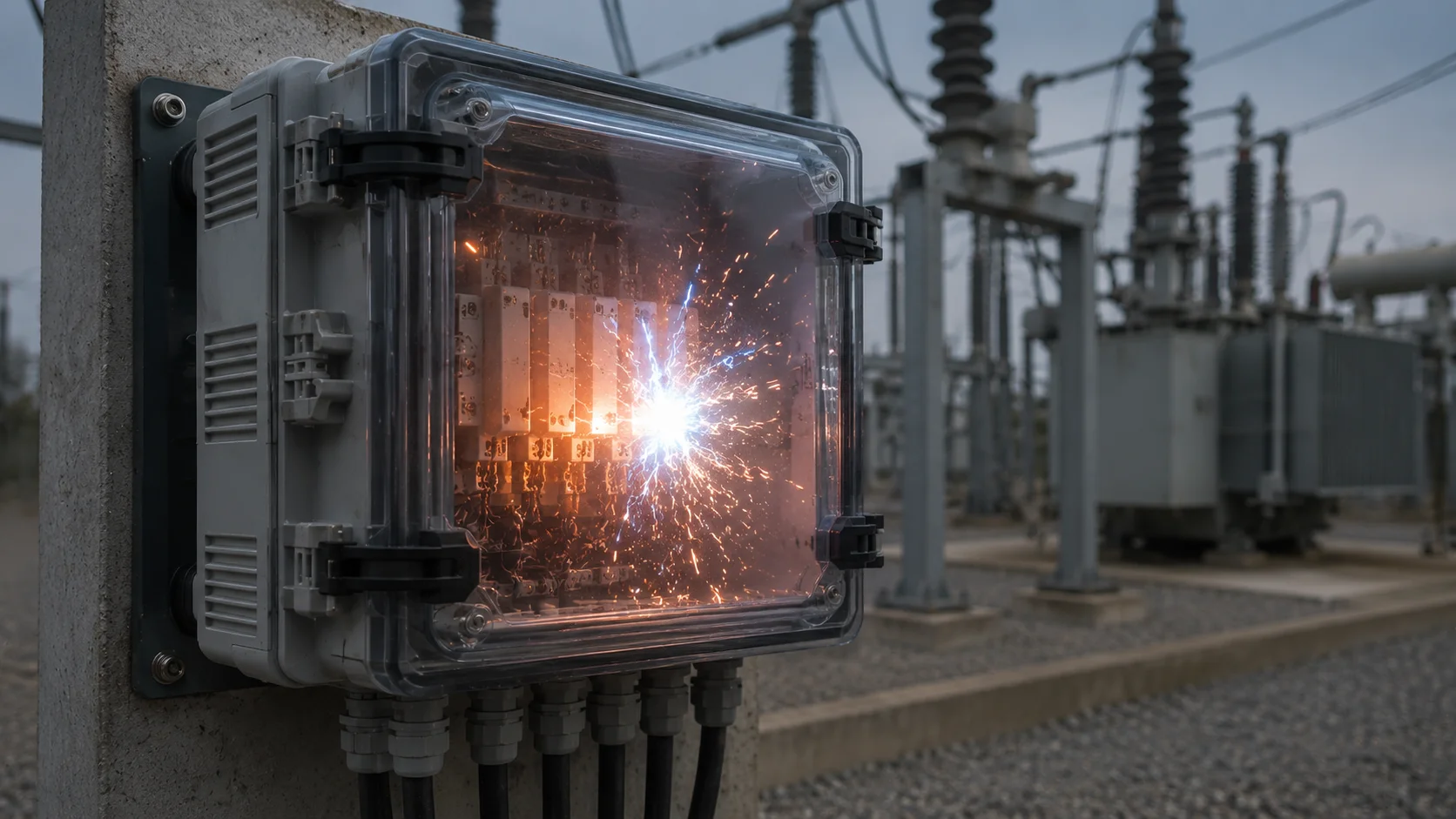
Substations can exhibit extreme temperature levels which are greater than the temperature of the sun; in fact, arc flash can produce explosive force equivalent to over 19,000°C. In order to hold arc flash events from damaging sensitive automation systems, the building material (enclosure) must be able to withstand these extreme thermal conditions. Polycarbonate (PC) enclosures provide superior arc flash protection compared to standard enclosure materials due to the characteristics of PC as a thermoplastic polymer maintaining structural integrity even at extreme levels of thermal energy. In addition, containment does not depend solely on the walls of an enclosure but can also rely on the design of the ventilation system thus preventing the build-up of pressure within the enclosure during an arc flash event. Additionally, flame-retardant cable entries (glands) should be utilized in order to contain fires caused by arc flash events from entering through the cable entry into the PCM enclosure and cause additional fire damage to surrounding areas/electrical equipment. Also, utilize reinforced mounting systems in order to properly secure the automation equipment that is housed within the PCM enclosure during electrical fault conditions. Key features related to arc flash protection include, but are not limited to: Self-extinguishing PC materials rated UL94 V-0 Reinforced door latching mechanisms with multi-point contacts Pressure relief ventilation systems Flame-retardant gasket materials
SCADA Communication Shielding Solutions
SCADA communications can typically be disrupted by electromagnetic interference (EMI) in substations which creates issues with monitoring equipment demonstrating ‘blind spots’ and control failures. Therefore, to ensure that your automated enclosures are able to provide adequate EMI shielding without losing easy accessibility; I-closures will contain conductive gaskets and EMI-filtered cable entries. The I-closure enclosure will provide a continuous ground path to mitigate high-frequency interference while still allowing for IP65-rated protection. However, the effectiveness of the shielding will vary greatly between different frequencies and installation conditions, thus causing problems with proper grounding due to an increased potential for failure of the dedicated earth connections. Properly terminating the cable shield should maintain a full 360-degree continuity for the cable shield while using filtered air to ensure that EMI will not leak out through either the cable entry hole or ventilation filter. Finally, a summary of the recommended strategies used to protect communication systems from EMI are as follows. 1) Continuous EMI gasketing sealing; 2) Filtered cable entry systems; 3) Dedicated equipment grounding points; 4) Shielded ventilation openings.
Switchyard Environmental Sealing Challenges
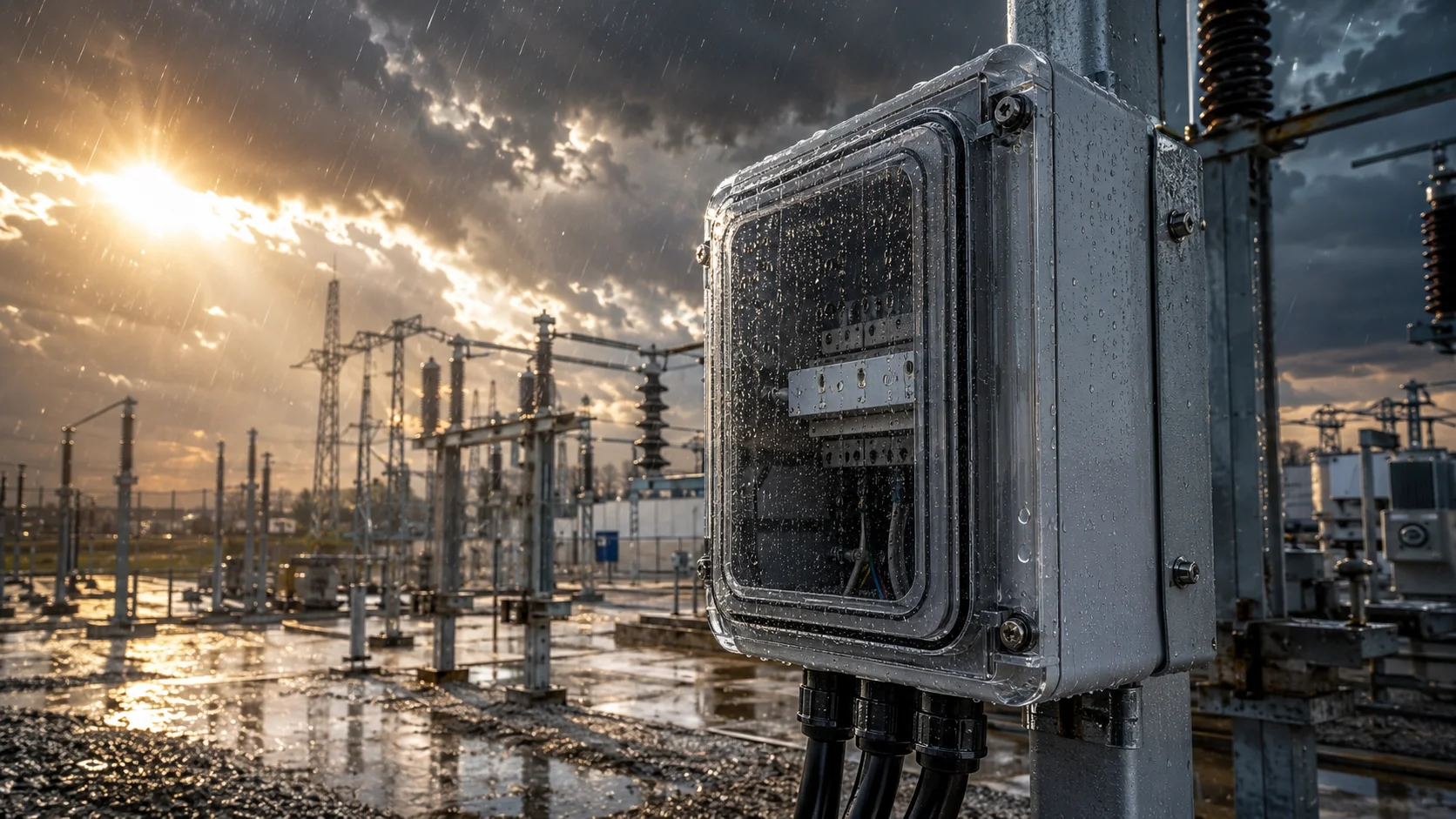
Equipment in switchyards can be subjected to a variety of environmental conditions such as extreme temperatures, corrosive atmosphere and heavy rain. Not all enclosures have an IP (Ingress Protection) rating, and if an enclosure has an IP rating it does not necessarily mean that it is designed for long-term outdoor use. For example, our enclosures have an IP rating of 67 (submersible), but a typical application in a substation would be rated at IP65 with enhanced UV resistance due to being placed in direct sunlight for extended periods of time. The polycarbonate material we use has superior optical clarity and impact resistance even after many years of exposure to sunlight. Because of temperature cycling, the materials used in the construction of the enclosure create expansion stress on the seals, which can allow moisture to enter and affect the operation of the enclosure. Therefore, we utilize flexible gasket materials to provide a continuous compression seal throughout the enclosure’s full range of operation. Also, proper drainage in the cable entry area will help eliminate water from accumulating within the enclosure. Environmental Protection Features: UV Stabilized Polycarbonate Construction, Temperature Compensating Gasket Seal, Integrated Drainage Systems, and Corrosion Resistant Fasteners.
Material Selection for Substation Applications
For indoor control rooms, ABS enclosures perform adequately while a polycarbonate enclosure is needed for outdoor switchyards because of its ability to withstand impacts so that maintenance activities do not damage the enclosure or weather extremes (i.e., hail). PC/ABS combinations will optimize cost for semi-protected installations. However, the best long-term value in challenging substations is achieved with polyester.
Relay Protection Mounting Configurations
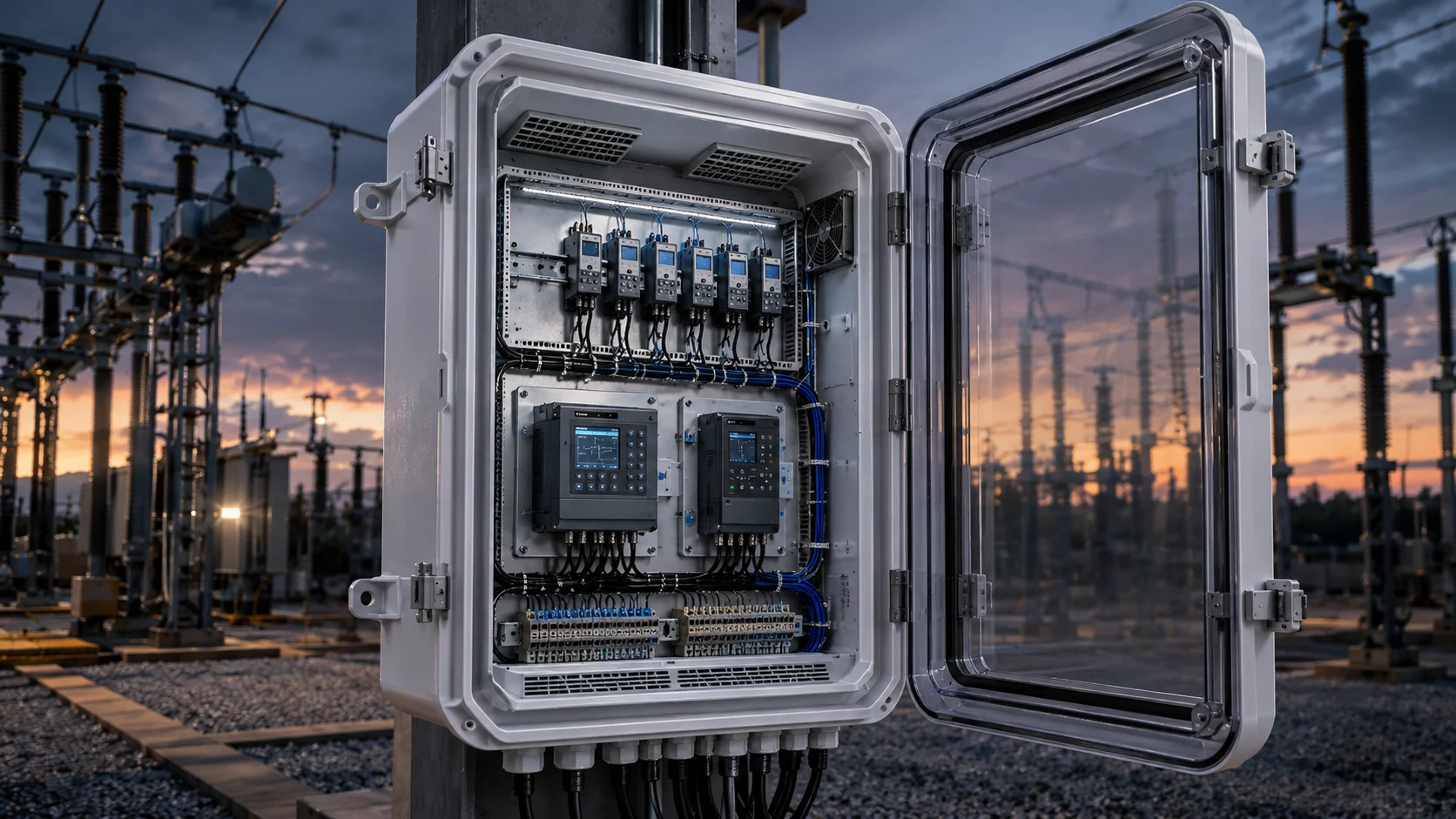
Accurate placement is critical for protection relays. Your enclosure layout will affect how heat dissipates and how efficiently maintenance flows through the system. Most smaller relays can attach to a standard DIN rail, but you will require a special mounting bracket for larger multifunction relays. Your enclosure depth should allow sufficient space for cables to bend according to their bending radius requirements, while still being as compact as possible. Placement of vent openings will become more important with higher power relays. Natural convection cooling requires you to have intake vent openings at the bottom of the enclosure and exhaust vent openings at the top of the enclosure. If your larger equipment MD is going to use forced air cooling, you may require additional vent openings. Considerations when mounting your relays include: Equipment weight distribution Routes for heat to escape Space to manage cables Access to install maintenance.
Transformer Oil Vapor Barriers
Over time, vapor emissions from oil-filled transformers can potentially impact electronic devices. Your equipment enclosures for automation require specific sealing systems to help reduce contamination while providing adequate cooling of the equipment. Chemical-resistant gaskets will provide vapor barriers for oil vapors. However, complete sealing will result in a heat build-up problem. The proper solution will be to provide filtered venting that will allow air to circulate while blocking vapors. Activated carbon filters are effective in absorbing vaporized hydrocarbons. To maintain effective protection against oil vapors, replace the activated carbon filters on a regular basis. To ensure that your ventilation system is functioning correctly, monitor the pressure of the ventilation system. Vapor prevention solutions include: Gaskets made from chemical-resistant EPDM, activated carbon air filters, positive pressure ventilation systems, vapor barrier cable entries.
Control Room Pressurization Systems
Positive pressure in control rooms is necessary to minimize dust contamination and keep areas containing sensitive electronics clean. While maintaining pressurization in control rooms is an important function; the effects of pressurization on how enclosures are sealed are usually unique to individual enclosures. Standard gasket designs aren’t able to maintain their sealing properties under internally created pressures. In addition, there are some cases where outward-opening doors require more robust latching methods than that used in other types of closures. Lastly, cable entries utilizing pressurized seals need to be pressure compensated in order to maintain their sealing ability.
The hydraulic fluid contained within pressurized control room systems must account for the inherent volume contained with the enclosure and estimated leak rates associated with the enclosure volume. For example, if fans are oversized, they will consume an excessive amount of energy and produce an excessive amount of noise. Conversely, if the system is undersized, it will not be able to provide sufficient pressure differentials to the enclosure and will fail to maintain adequate enclosure pressurization.
Design aspects of the pressurization system must include:
1. Calculation of the internal volume of the enclosure; 2. Estimated leak rate for the enclosure; 3. Pressure compensating seals for cable and other enclosure entries; 4. Emergency depressurization systems from the control room.
Power Grid Integration Access Requirements
In recent years, the design of modern substations has developed into a multi-faceted system of communication protocols and Monitoring Systems. When it comes to enclosure design, it is critical to establish the necessary forms of Cable Entry, and ensure that isolation and/or protection are maintained. Fiber Optic Communication requires that specialized entrances (including sealing) be provided, which have the potential to sustain damage at the time of installation. Ethernet communication requires entry from a shielded cable perspective, and/or legacy type serial communications may need their own conduit systems. Cable Entry Configuration Effects to Installation Efficiency and Long Term Maintenance: By grouping your entries together, you make it easy to route but also may degrade your isolation. If you separate your entries, it will provide better protection but will make it more complex to install. Options for Access Configuration: Multiple Cable Entry Plates; Fiber Optic Feed-Through Systems;
Multiple Communication Zones with Segregated Access; Tool Free Maintenance Access. Ready to Protect Your Substation Automation? With an extensive range of industrial grade enclosures rated to both IP65 and IP67, you can count on IDIS India to specify for you the best solution for your unique requirement. IDIS India has a staff of over 100 professionals available to assist you with the specification of the right product for your specific application. Contact i-CLOSURE for a full set of specification sheets, pricing and assistance determining how we can keep your power infrastructure secure and functional.
Need Help Choosing the Right Enclosure? Get in Touch!