
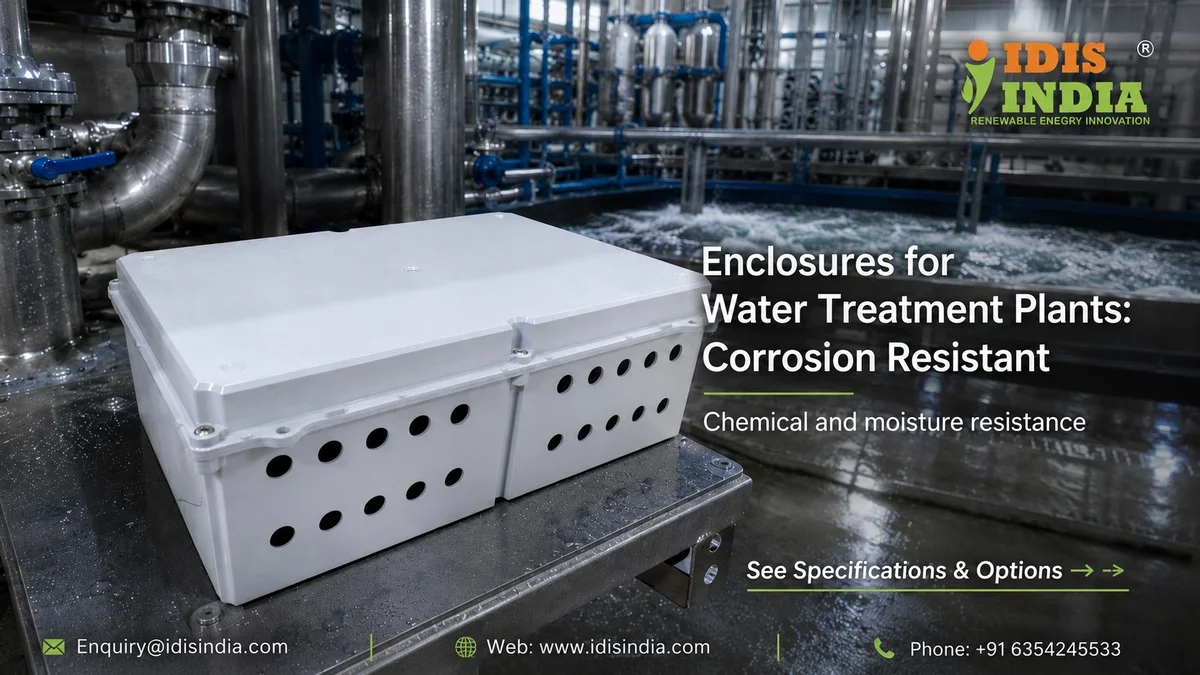
The environment surrounding electrical equipment found in a water treatment plant can be one of the harshest you will ever encounter. Between exposure to chlorine gas or the chemicals encountered during the operations of a facility, as well as the constant humidity that exists within a plant, your control systems require protection from more than just the standard IP ratings. Here, at IDIS India, we have specifically designed enclosures that provide corrosion resistance to meet the challenging conditions found in water treatment applications; when it comes to operational safety, it’s an absolute necessity. What makes an enclosure used in a water treatment facility such an effective device? It’s not necessarily keeping water out of the enclosure; the chemicals and vapors that exist, as well as the highs and lows in temperature that exist, have the ability to destroy an enclosure if it isn’t manufactured to withstand these demanding conditions within months of entering the facility. This is why our I-closure® product line has been engineered using polycarbonate material and specialized sealing technologies that can withstand these types of environments.
Chemical Vapor Containment Systems
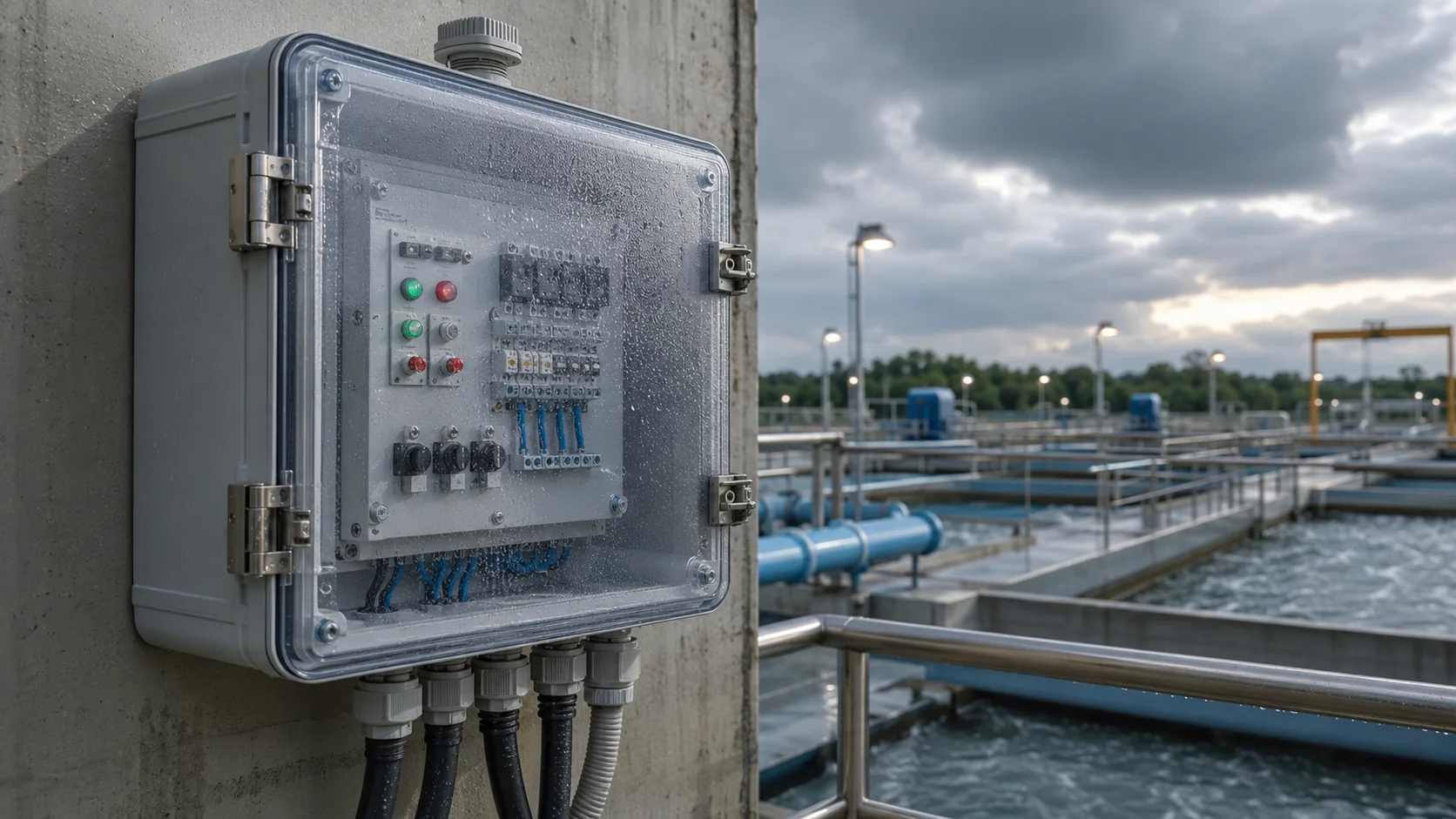
Standard enclosures cannot withstand the vapour environment of Chlorine Gas and many other Treatment Chemicals. Material selection and gasket technology to prevent Chemical Penetration are the absolute keys. Our Polycarbonate enclosures exceed in withstanding the Chemical Attack of Chlorine Dioxide, Sodium Hypochlorite, and other common Water Treatment Chemicals. Polycarbonate, unlike ABS, does not become brittle after many years of exposure to Chlorine Vapours. On the outside, Chemical-Resistant EPDM Gaskets are the primary seal; however, there is much more than that. A Special Breather Valve has been integrated to allow Pressure Equalization while filtering out Incoming Air. Eliminating chemical vapour build-up inside the enclosure is essential, as a build-up of vapours will significantly damage sensitive electrical equipment. Are you experiencing Chemical Damage to your existing enclosures? If you are experiencing Discoloration, Cracking, or Gasket Deterioration, those are good warning signs that your Equipment Protection is failing.
Chlorine Gas Seal Testing Performance
Facilities that utilize chlorine gas for disinfecting their water treatment facilities require enclosures that adhere to extremely rigorous criteria to maintain tight sealing integrity. Current IP testing manufacturing guidelines do not include testing the effects of chlorine gas upon penetration through a sealed enclosure over time. To quantify how chlorine affects the integrity of water treatment enclosures, IDIS India performs specialized tests for material resistance to chlorine gas breakdown on its products. This testing consists of sequestering the contents of sealed enclosures with regulated concentrations of chlorine and measuring chlorine penetration into the sealed enclosures over time. The resulting data will be used to provide manufacturers with gasket replacement interval recommendations and proof of their long-term protection assurances to consumers. Additionally, the use of stainless steel 316 hardware prevents corrosion-related failures of the sealing mechanism. Standard steel latch and hinge hardware will oxidize (rust) after a short time of being exposed to a chlorine gas-slated environment, which can ultimately lead to leak paths that endanger the entire containment system. Using SS316 components allows for the maintenance of sealing integrity for the life span of the enclosure. However, testing proves to only be one part of the integrity equation. Employing proper installation techniques with the installation of cable glands ensures that sealing integrity is maintained at all penetration points. IDIS recommends that you use SS316 cable glands with EPDM seals, as these materials are chemically compatible.
Seal Maintenance Protocols
Just like every other seal, the pro baseball player requires some maintenance at least once every month for inspection (img) to identify any deformation, discoloration or hardening of the gaskets which will indicate that this is a sign of a chemical attack and possible failure of the gasket. It is common for gaskets to be replaced between 18 to 36 months after install depending on the level of chemical exposure and environmental conditions. By having replacement gaskets readily available, downtime will be minimized during scheduled maintenance.
Humidity Condensation Management
Water treatment plants often produce large amounts of humidity in enclosures that could lead to condensation inside the enclosure, which can damage electronics and corrode components inside. I-closure enclosures use different designs to manage humidity. Desiccant pouches can absorb moisture temporarily and removal methods for condensation without breaking the IP rating will help manage how moisture escapes the enclosure. Breather valves that use molecular sieve desiccant material help equalize the pressure and remove moisture from the air entering the enclosure. Instead of just managing humidity after it’s formed, these methods are meant to prevent humidity from building up in the enclosure. In addition, cycles of temperature change due to pumping systems and control room equipment can increase the rate at which condensation forms. Our enclosures have internal mounts for humidity sensors in addition to heater mounts, which are for systems requiring active climate control because of environmental conditions. Proper design of ventilation systems to remove humidity and contaminants from the atmosphere is crucial when managing humidity and chemical vapors together. Conventional ventilation will provide a means to manage relative humidity (RH), however it may also allow contamination by chemicals. Dedicated filtration systems can be used to manage both issues within an enclosure.
Stainless Steel Hinge Systems
Hinges generally do not last long when subjected to daily use and harsh chemicals, like those found in sewage treatment facilities. However, SS316 grade stainless steel hinge systems are extremely reliable to support door alignment/dead and provide a greater seal. Heavy-duty applications will require additional reinforcements for hinge mounting to accommodate heavy or large volume usage of that particular door.
All mounting systems in this environment are designed to provide an even load distribution through the frame of the enclosure — this prevents stress cracks from developing at the hinge attachment points. One design feature of these systems is the presence of removable hinge pins which allow for easy removal of the door during major maintenance and/or during equipment replacement. Because of this, a significant amount of time is saved on plant upgrade projects as well as other emergency type repairs.
The self-lubricating hinge bushings used in our hinge systems will eliminate the need to perform regular lubrication on the door hinges, i.e., in environments where conventional lubricants may attract dirt or react chemically with the chemicals used for treatment purposes.
Wastewater Splash Protection
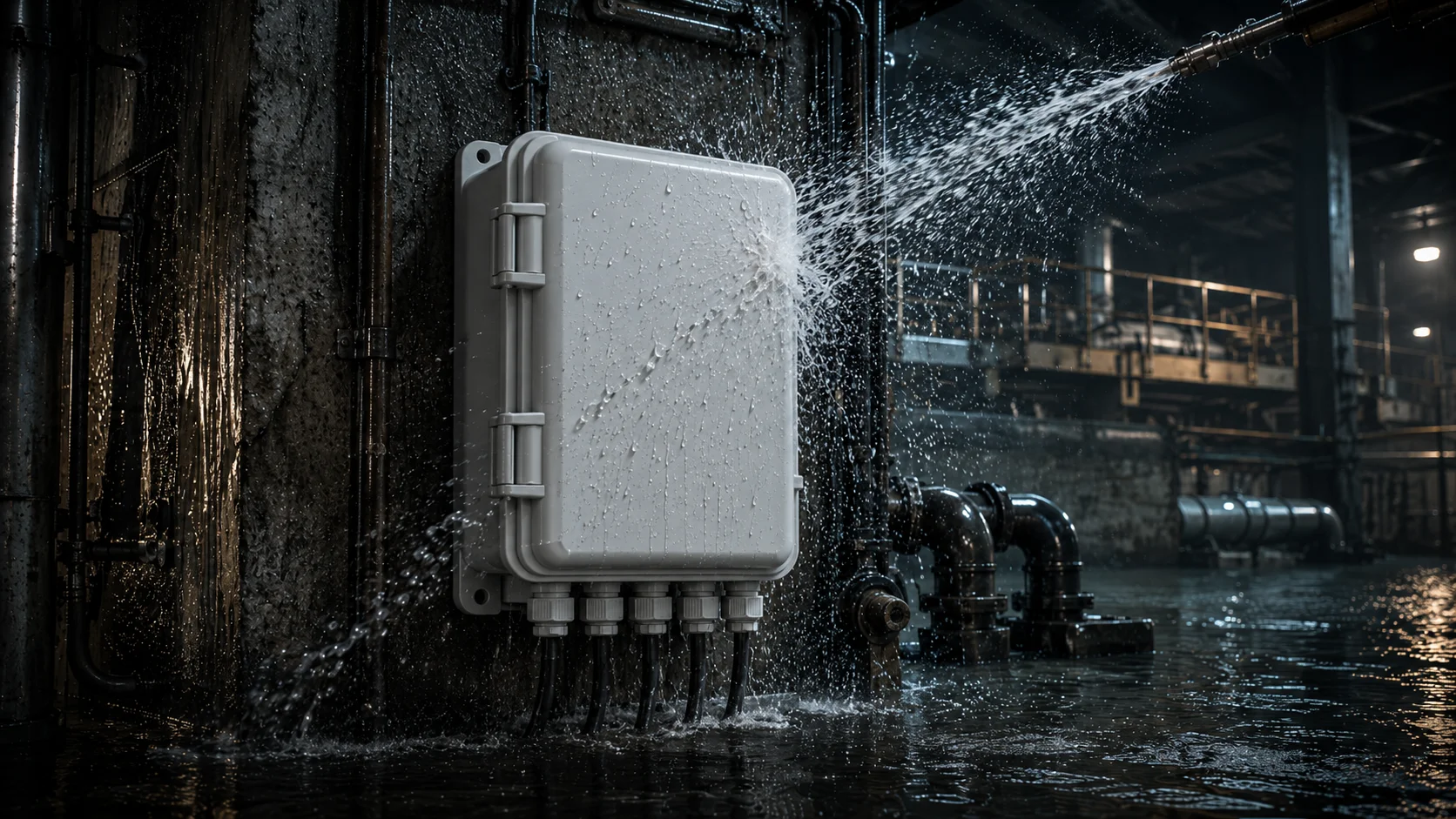
Wastewater treatment presents unique challenges compared to potable water systems. Biological contaminants and aggressive chemicals present additional security concerns, which are why enhanced protection systems are essential. An IP67 rating is an absolute must in locations where wash down processes or direct spray will impact the equipment. Our enclosures provide IP67 protection and easy access for repairs and maintenance. Equipment with smooth exterior surfaces will minimize the opportunity for contaminants to accumulate and therefore will make it easier to clean. Equipment with a textured finish that creates a trap for organic material can become a host for bacteria and create continuous sanitary issues. However, what happens if the area becomes submerged due to floods? In the event of extreme weather or failures of equipment, pump stations/lift stations can be flooded. Our IP67 enclosures have a temporary period of submersion coverage, thus enabling critical control systems to continue to function in an emergency.
Dosing Pump Vibration Isolation
Systems that utilize chemicals include a normal amount of vibration, and therefore the connections between those systems and the enclosure or the connections between the enclosure and mounting structures can gradually become loose due to vibration (i.e. compromised integrity). It is possible to employ proper mounting and isolation methods so that vibration will not loose the connections and/or compromise the enclosure’s integrity.
To isolate enclosures from pump-induced vibration and provide a secure mounting method to a structure supporting them, the use of vibration absorbent mounting brackets will help reduce the amount of stress placed on electrical cable connections and internal components. Flexible cable routing configurations help to prevent fatigue failure at the point where cables enter into the enclosure. Rigid connection methods typically pass vibration directly into the cable glands, resulting in either seal failures or conductor failure.
When mounting internal components in vibration-prone environments, attention to detail is necessary. For example, the permanent installation of DIN rail systems with enhanced retention techniques will prevent the displacement of components during the operation of the system.
Corrosive Atmosphere Ventilation
There are several water treatment methods that generate corrosive environments and need a specialized method of ventilation. Venting to an open area can introduce more contaminants than it removes. Filter ventilation removes corrosive material and provides the airflow required for air exchange. Filter ventilation systems require regular replacement of filters but provide the greatest level of protection for electronics. Positive pressure ventilation prevents intrusion of outside contaminants by maintaining positive internal air pressure. This method is effective in areas where there is moderate contamination or a filterable air supply. What happens to equipment producing heat? Internal heat generation requires ventilation for thermal control; however, traditional ventilation may reduce chemical protection. Heat exchangers can provide thermal management without exchanging any air directly.
Installation Considerations for Treatment Plants
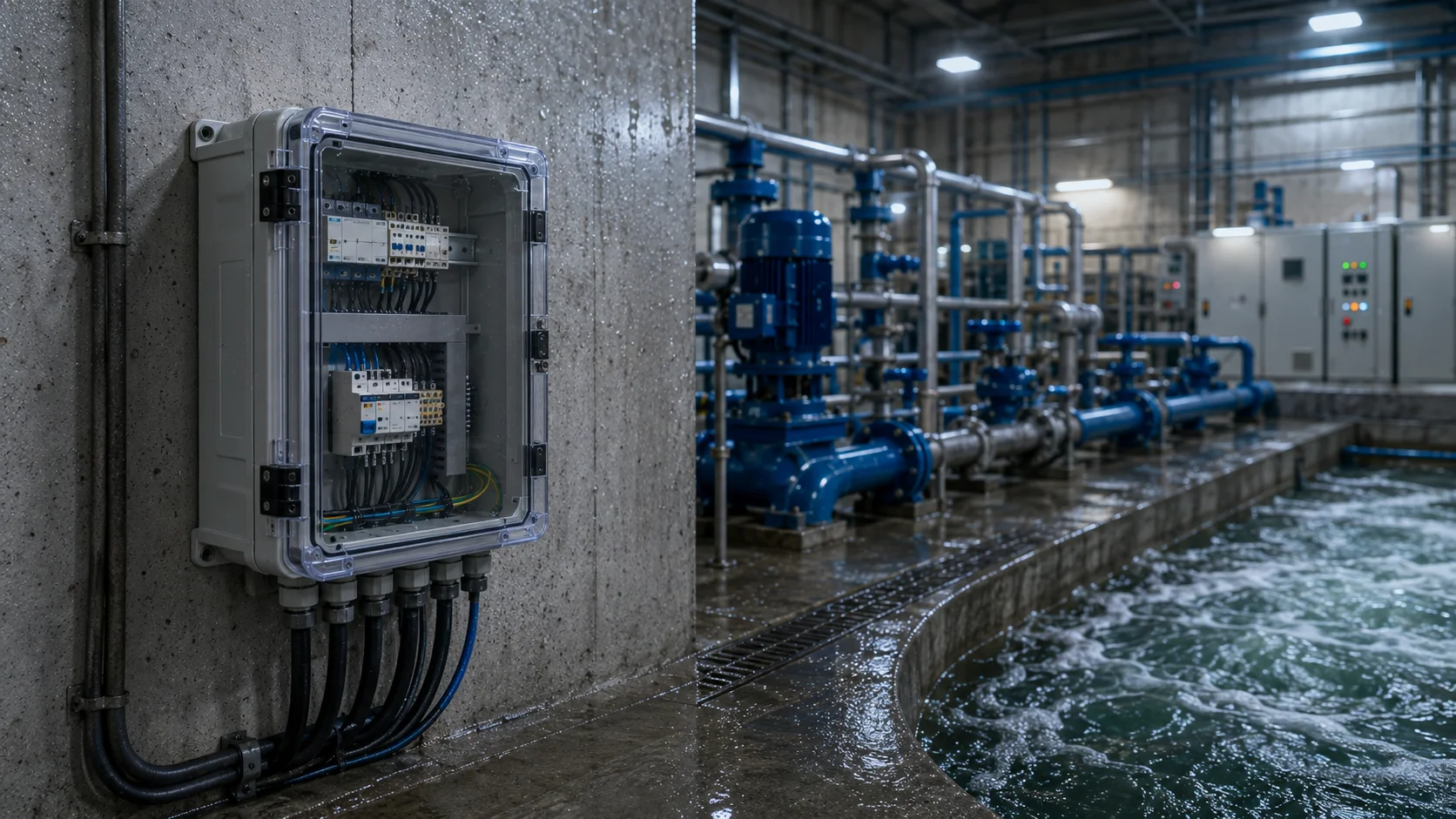
Installing enclosures properly at water treatment facilities requires you consider environmental and operational factors. It’s important to consider splash zones and operator accessibility when determining mounting heights. A ground-mounted enclosure will be easier to access than an above-ground but will have a higher risk of getting splashed by chemicals or water during frequent washdown activities. There should also be careful consideration of how you route your cables so that the length of cable exposed to chemicals is minimal and that you can avoid chemicals from getting onto your cables. Routing cables underground will offer some protection from chemical exposure but will be difficult to access for maintenance purposes. IDIS India provides general guidelines and specific guidelines for installing enclosures at water treatment plants.
Our technical team is available to help with specific applications in the following areas: site-specific requirements; site-specific environmental conditions. Interested in protecting your control systems in water treatment facilities with corrosion-resistant enclosures? Get in contact with our engineering team to discuss your specific applications and site-specific environmental conditions.
Need Help Choosing the Right Enclosure? Get in Touch!