
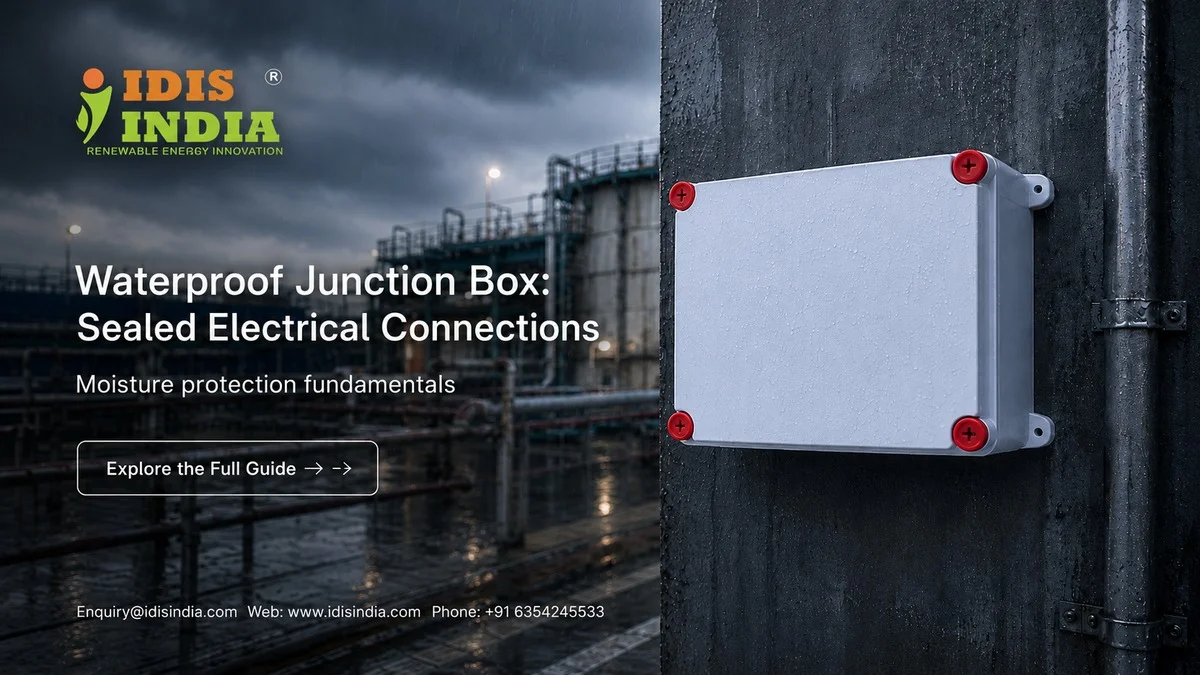
Moisture is bad news for electrical connection failures, and that relates to the lack of waterproof junction boxes on your wiring systems. The most common cause for electrical faults during installation is water damage, yet most people are completely unaware of just how much damage water can cause before it even touches the installation (due to the way that rain, humidity, flooding, or condensation creates moist conditions). In most cases, water can quickly destroy electrical connections, causing irreparable damage in a matter of minutes. The right waterproof junction box will provide long-term, reliable operation of your installation for many years. I-closure has developed waterproof junction boxes specifically designed to be installed in challenging wet environments. Our enclosures are manufactured according to International Protection (IP) ratings of 65 or 67 (waterproof), which means that they are are designed and built to provide protection against water ingress, ensuring reliability over time.
Understanding IP65 and IP67 Protection Standards
All water-resistant junction boxes do not provide the same level of protection. The level of waterproofing a box contains is determined by the Ingress Protection rating (IP). Junction box with an IP rating of IP65 will keep out dust and are able to withstand water spray from any direction, making them suitable for normal outdoor use where it is expected that they will be exposed to both rain and washing, but not submerged. Junction boxes that have been assigned an IP67 rating are able to sustain immersion in water for temporary periods up to 1 metre deep. I recommend using junction boxes with a minimum of IP67 ratings where there is potential for flooding and for all underground applications. For example, IDIS India manufactures both IP65 and IP67 rated water-resistant junction boxes, and you should determine which rating is needed based on your specific installation and local requirements. The following will provide you with a description of what each of the IP rating classes will be able to provide. IP65 – Rain, splashing water, pressure washing, and normal outdoor weather conditions. IP67 – Temporary immersion in water, underground burial, and at risk of flooding
Gasket Sealing Technology for Water Exclusion
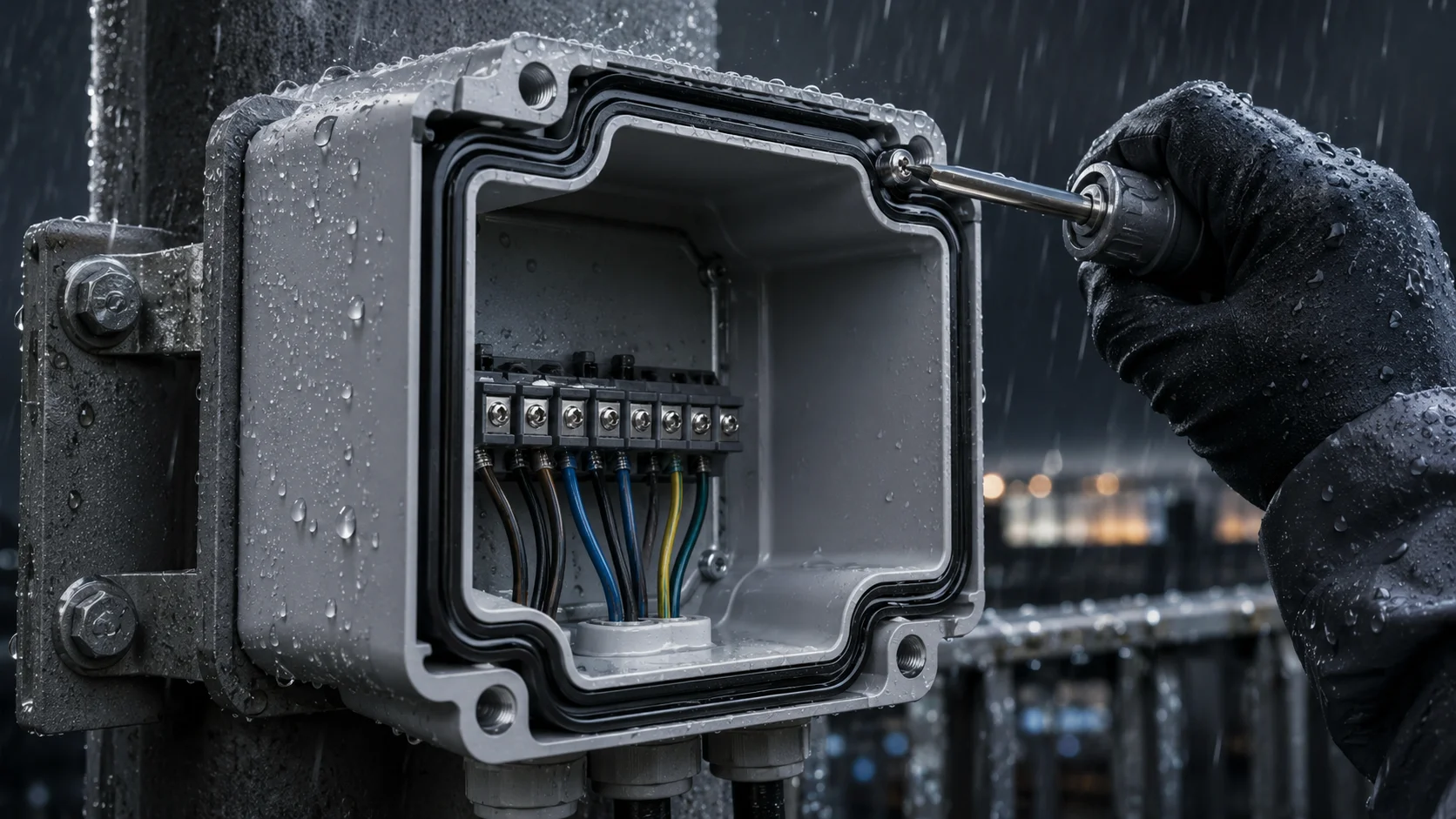
Whether a junction box is waterproof is reliant on the gasket; any small gap allows moisture to seep through over time. High-quality waterproof junction boxes offer a continuous gasket seal around the perimeter of the lid so there are no gaps. The gasket must be able to remain flexible through temperature changes while still keeping its compressed state. The best materials for long-term waterproof sealing are silicone and EPDM rubber. Unlike cheaper materials, they will not crack and shrink after being exposed to outdoor elements for several years. To achieve proper compression of the gasket, there are specific torque values that need to be followed on the fasteners of the lid; if you leave them too loose, water will enter, and if you over-torque them, you will damage the gasket or break the enclosure. Our I-closure waterproof junction boxes have engineered gasket channels that provide even compression of the gasket material, eliminating the most common failure points for outdoor waterproof junction boxes, which are at the corners and mounting points.
Cable Entry Waterproofing Methods
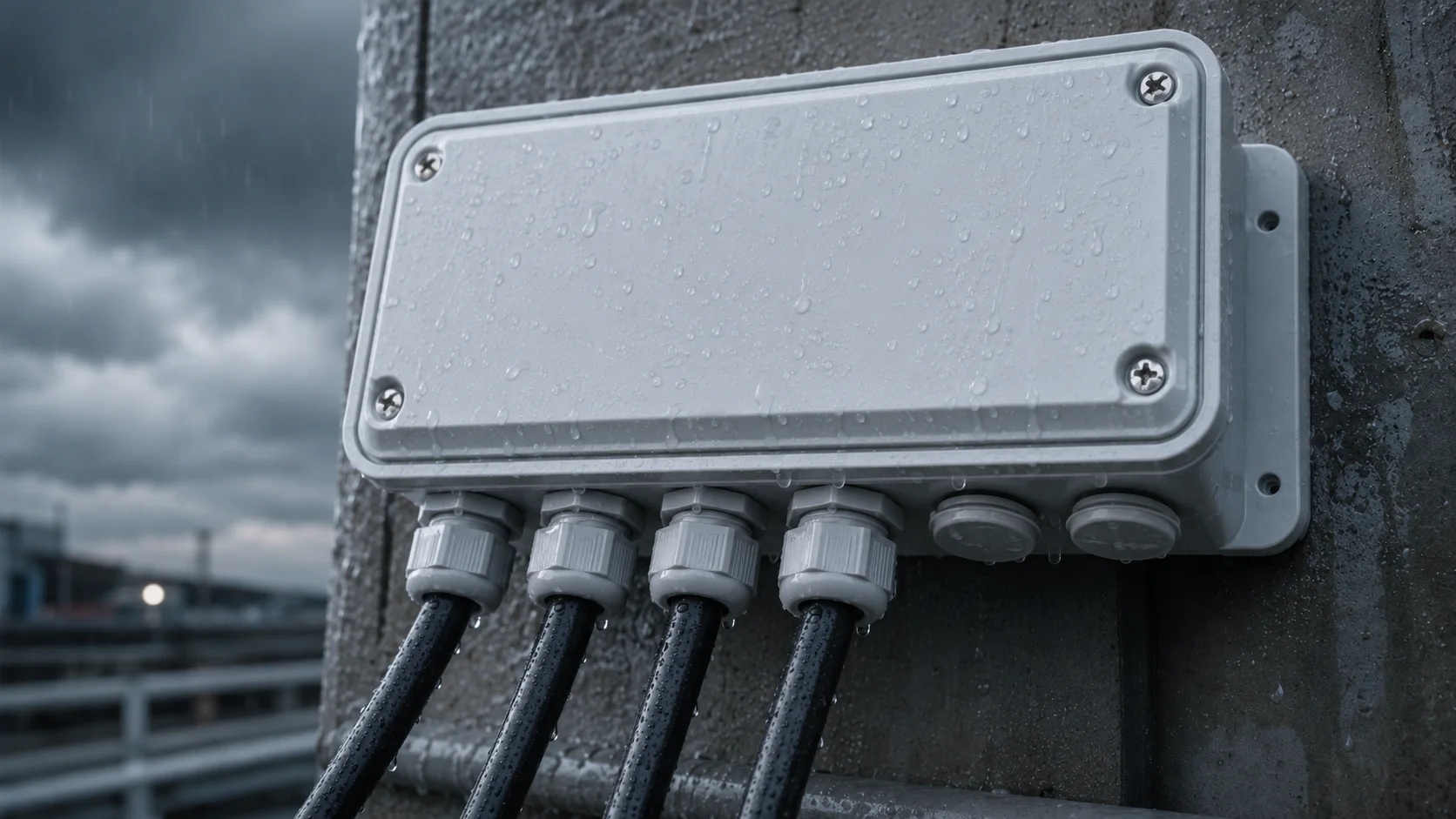
The weakest area of any waterproof junction box assembly is along the points where wires enter the box. Water will seek out the tiniest openings around the wire as it enters the junction box. Cable glands supply the first line of defense against water entering at these locations and not all cable glands are permissible for wet applications; you must use specifically rated cable glands based on your required IP rating. Installing a cable gland correctly requires several distinct steps: Twelve of the twelve methods must be considered when drilling an entry hole, exactly to the specifications of the cable gland being installed; all debris left from drilling must be removed (this includes jagged edges); the gland must be installed with correct thread engagement; the jacket must be stripped to the proper length; tighten the gland until the sealing elements within the gland are compressed. The installation of a cable gland can become increasingly complicated as additional entries are made; thus every additional entry is an opportunity for an additional potential leak which has to be sealed. Blank plugs must be installed to seal unused entry points; using simple caps/plugs will not provide a waterproofed condition, you must use a properly rated sealing plug for this purpose.
Alternative Cable Entry Solutions
Some installations benefit from using alternative sealant application techniques other than traditional sealing methods. For example, if the cable bundles are non-standard in size, liquid-applied sealant can be used. However, liquid sealants must be installed perfectly. Factory-sealed solutions can provide greater reliability for long-term use.
Sizing Waterproof Junction Boxes for Electrical Loads
Both electrical performance and waterproof integrity are influenced by the correct size. Overcrowded boxes can cause problems with connections and seal, as well as correct sealant placement. Each box needs to have enough space for splicing and connecting cables without overcrowding. You must take into account the following considerations when choosing a junction box: The number and size of the incoming cables; The types of connections you are using ( wire nuts, terminal blocks, etc.);; Space requirements for future expansion; Access to the junction box for installation and maintenance. It costs more to purchase larger waterproof junction boxes; however, they do provide greater flexibility for installation. Boxes sized incorrectly can have a negative effect on the quality of the connections made and on how easily the cable is run to the junction box. IDIS India has multiple different sized waterproof junction boxes available for your specific requirements. Please contact us so we may assist you with sizing recommendations for your project.
Electrical Code Requirements for Wet Locations
When planning an installation in a wet location, specific electrical code requirements must be met. This means using waterproof junction boxes as well as additional requirements as required by the National Electrical Code (NEC). The NEC defines a wet location as any area that has the potential to become saturated with water, including underground or exposed outdoor areas and areas where water can accumulate. The following items are essential to ensure compliance with required wet location requirements: All enclosures must be weatherproof for installation Connections must be made with approved wet location connection methods Equipment must have a listing for wet location use Proper grounding and bonding must be provided While the summary above highlights general requirements for electrical installations within wet locations, specific local electrical codes may contain additional requirements. Before specifying waterproof junction boxes for your specific installation, contact your local authority and confirm applicable code requirements.
Conduit Integration with Waterproof Enclosures
Additional requirements need to be applied to conduit connections for waterproof junction boxes. Standard fittings may compromise the waterproof integrity of a junction box; therefore, a very effective way to connect the conduit to the junction box would be through using liquid-tight flexible conduit. This type of conduit can handle thermal expansion and vibration while still maintaining the water seal. It is necessary to use appropriate sealing compounds and weatherproof fittings when making rigid conduit connections. Thread-type connections require proper sealing and full engagement of the threads. When considering how to integrate conduit with a junction box, there are four key points: Conduit material compatibility with the junction box enclosure, Thermal expansion, Mechanical stress relief, and Long-term seal integrity. Additionally, multiple conduit entries can increase the overall installation complexity of a junction box by requiring additional routing. When routing conduits, it is important to minimize the number of penetrations through the junction box while also complying with applicable electrical codes.
Field Testing Waterproof Junction Box Installations
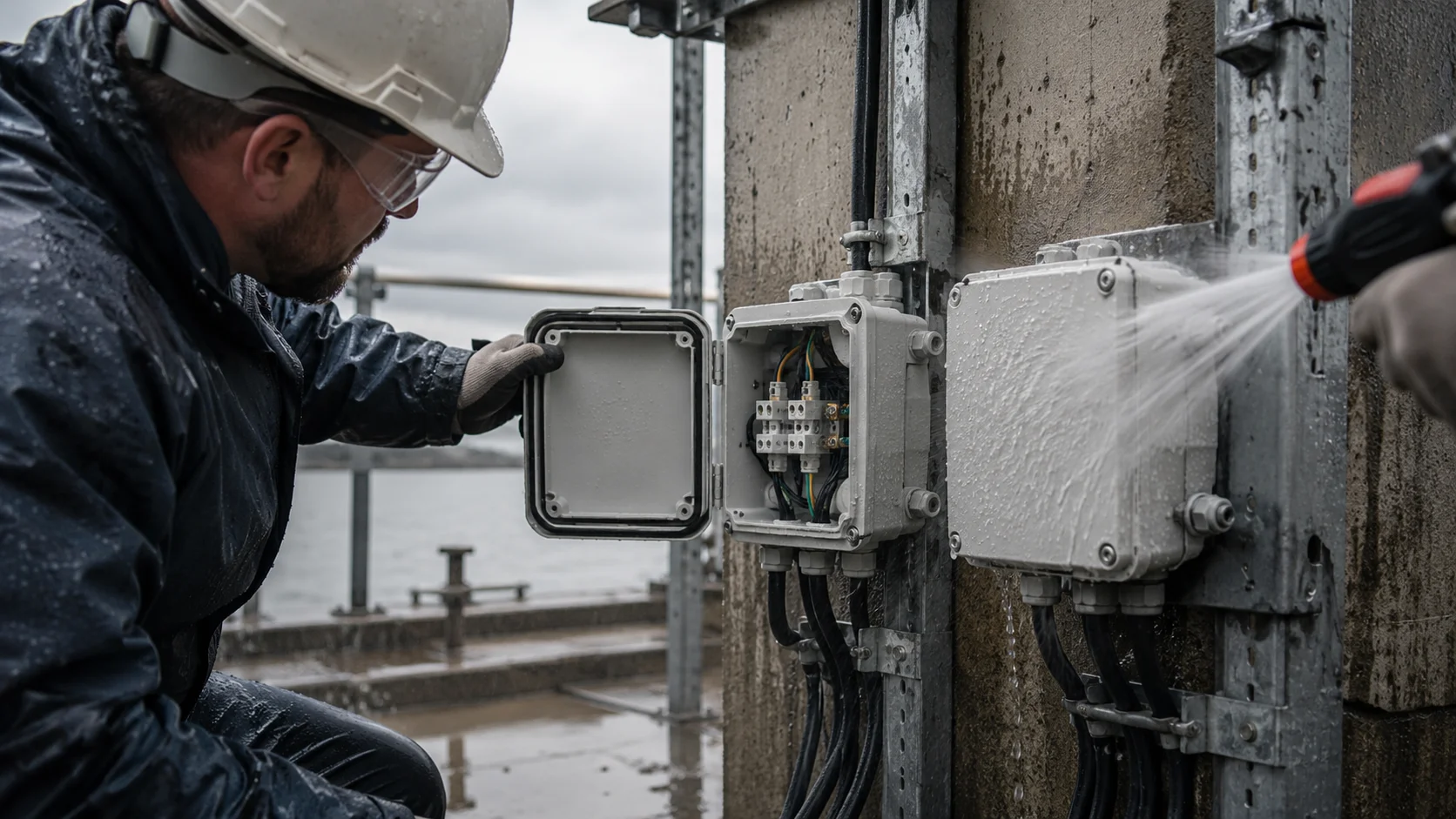
To confirm that your equipment is water-tight, you will need to conduct a variety of systematic tests prior to turning power on to the circuits that it powers. A simple visual inspection can be helpful; however, it is not sufficient enough to perform these types of inspections alone.
Start with a visual inspection of the gaskets in question. Check to see if you are seating them correctly, if they are damaged, or if there is any debris on the gaskets that could cause them not to seal correctly. If you find any damaged gaskets, make sure to replace them before testing.
Next, conduct a water spray test. Using either a hose or pressure sprayer, spray a steady stream of water on the outer surface of your equipment from multiple angles. After approximately five minutes of spraying, check to see if you have any water leaks from inside your equipment.
For critical installations, when appropriate, consider performing a temporary submerged water pressure testing procedure. This will ensure your equipment will meet the IP67 standard for water exposure by testing it as close to the actual conditions as possible.
Documentation and Maintenance
It is essential for you to document your installation and test results because this document will be valuable to perform any future maintenance or troubleshooting on this product. You should also have a schedule for periodic inspections (and replacements, if necessary) of your gaskets. No matter how high quality the seals are, they are very much subject to wear and tear due to temperature cycling and exposure to UV light. If an I-closure waterproof junction box is installed and maintained correctly, it will provide reliable protection against water intrusion. Installation guidelines and testing procedures for your specific application are available from our Technical Team at IDIS India. If you need assistance selecting a waterproof junction box for a new project, please contact IDIS India to discuss your needs and receive technical specifications for our IP65 and IP67 rated enclosures.
Need Help Choosing the Right Enclosure? Get in Touch!