
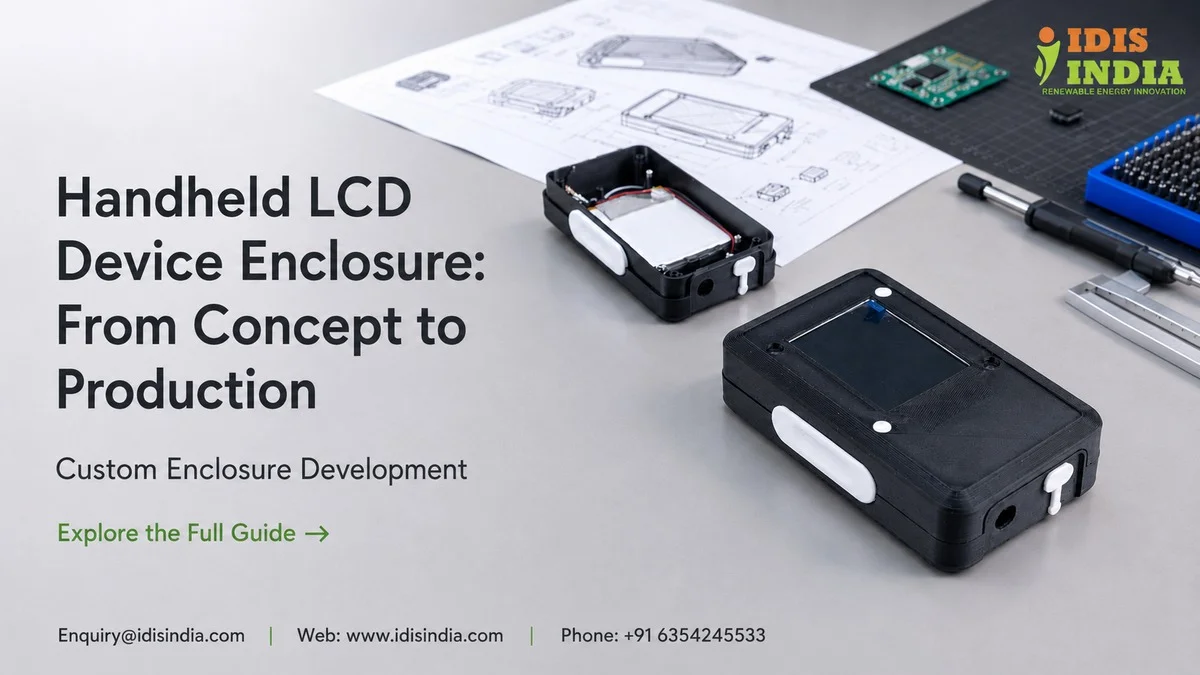
The need for sophisticated handheld electronic devices that combine functionality with durability is increasing in the modern electronics industry. IDIS India has completed a custom development project to produce an enclosure for a handheld LCD device built to the I-closure brand. The purpose of this case study is to show how we were able to take complex electronic requirements and create production-ready plastic enclosures. The project was to develop a complete enclosure system based on the needs of the client, including integrated LCD display mounting, internal PCB fixation, battery compartment design and including a means for charging through remote access. The client also required a rugged product that could be used on a daily basis and still appear professionally designed with respect to both aesthetics and reliability of operation. The IDIS engineering team determined the most effective and efficient methods for producing the solution and included consideration of the design of the enclosure from an ergonomic and manufacturing viewpoint. The final solution provided to the client included advanced features such as precision integration of the LCD window, cable management and secure mounting systems for the internal components of the enclosure. The overall development process demonstrates our ability to take an initial concept and translate it into manufacturable plastic enclosure designs based on all of the conceptual specifications required for the device. This handheld device enclosure is an example of where form meets function, or how technical requirements are met through user experience expectations. The total time required for the overall project, from the time we received the initial concepts from the client to the date we provided the first product for him the enclosure project demonstrates our capability to develop high-quality products at competitive prices and our commitment to providing market-ready solutions in a timely manner.
LCD Display Window Integration and Mounting Design
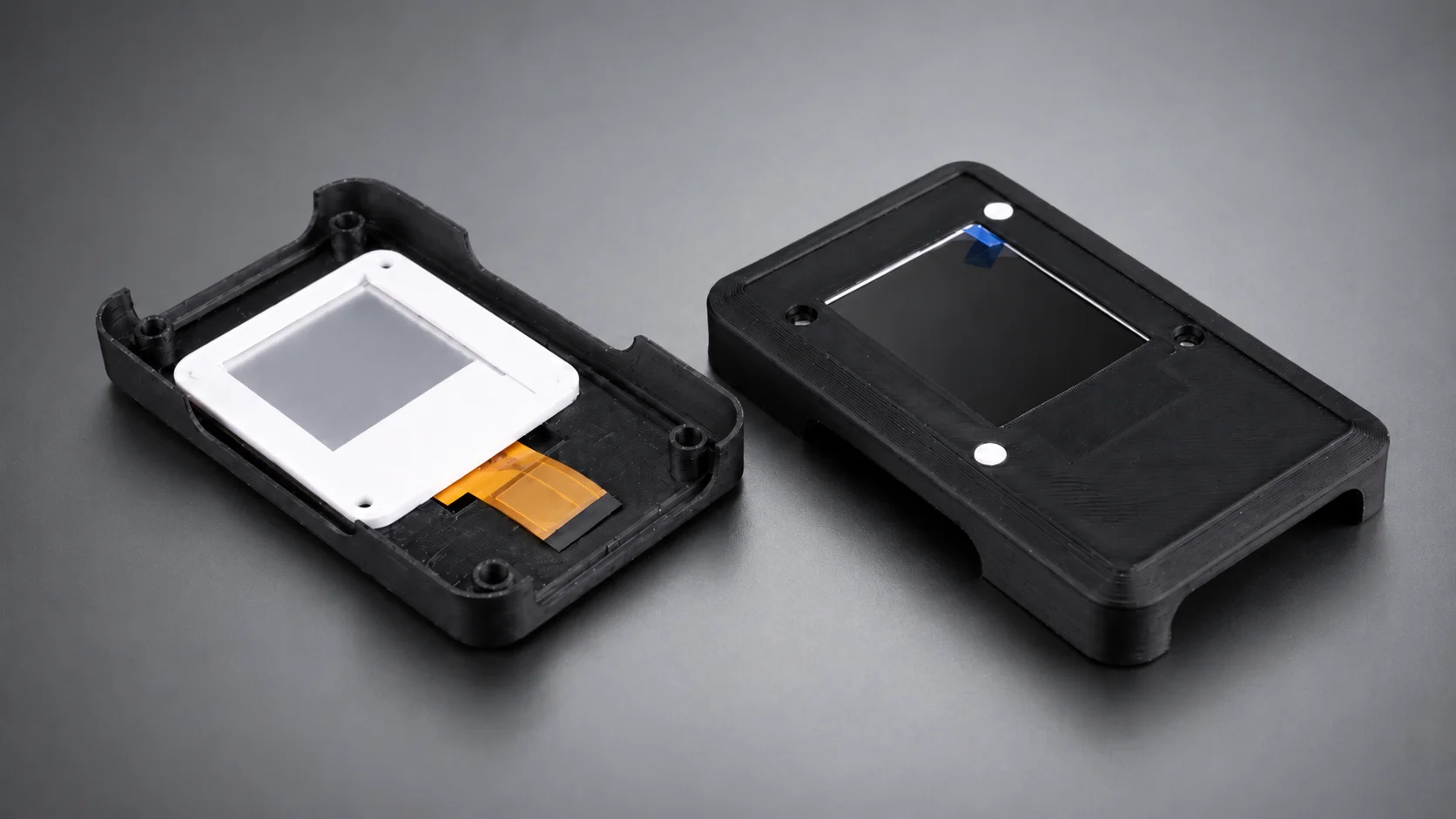
Designing the LCD display to fit within I-closure has been our biggest design challenge for this project so far. Our engineering team has designed a precision window cutout system to fit the display module and ensure perfect alignment and secure mounting. To avoid stress points at the edges of the display window and to provide ease of viewing from one side to another, we have chamfered the edges of the window. The inner support structures used to create the mounting mechanism are designed to distribute mechanical loads evenly across the display module. Using these support features will prevent any flexing of the display that would cause damage to the sensitive display components during standard handling procedures. The overall design of the system uses precise tolerance controls to ensure that every display will be an exact fit regardless of the size of the manufacturing runs. For the LCD display area, a dual zone approach was used by IDIS India to provide structural support and an optical clarity combination. The display frame is designed to protect the display mechanically while still maintaining optimum transparency of the display viewing area. This type of design will provide a high level of reliability under a variety of environmental conditions. The mounting system for the LCD display module will use integrated standoffs as well as alignment features that will facilitate the assembly process. These features will reduce the amount of time required to manufacture the displays and eliminate the possibility of alignment errors during manufacturing. The combination of these features will result in a high-quality, professional-grade display integration with both aesthetic and functional requirements for hand-held device applications.
Charging Port Integration and Cable Management
The design of handheld devices includes an important part of cable management, mainly related to the charging function. The I closure design provides a well-placed charging port that is easy to access for the user, yet, regardless of where it is located, does not interfere with or damage the structure of the enclosure. The positioning of the port is also carefully designed to take into consideration the user’s needs and the layout of the internal components. Our group has developed a built-in strain relief system to prevent charging cables from being damaged due to normal use. The strain relief design also directs the bending forces applied to the cable away from the point of connection; as a result, the cables will have a much longer life and provide a reliable electrical connection. This feature resolves the common causes of failure for handheld electronic devices. The cable routing channels also provide a neat and organized way to arrange the wires in the inside of the device. These channels will also keep the cables from interfering with other components and also provide a means for access to the cables for service. The routing design will accommodate different cable sizes and lengths, while not compromising the compact form factor of the design. IDIS India also gave careful consideration to the use of seals for the charging port to ensure that it meets its IP rating requirements. The design includes a built-in gasket channel and mating surface that will create an effective environmental seal. The attention to detail regarding the use of sealing will provide the device with the ability to maintain its protective rating for the entire life of the device, making it appropriate for use in rugged applications.
Internal Mounting Boss Design for Secure PCB Fixation
Printed circuit board fixation requires precision mounting solutions that accommodate component variations and thermal expansion. The I-closure design features strategically positioned mounting bosses that secure the main PCB while allowing for necessary clearances. These bosses incorporate standard threading that accepts common fastener sizes used in electronics assembly.
The boss design includes integrated standoffs that maintain proper clearance between the PCB and enclosure walls. This clearance prevents component interference while providing adequate ventilation for thermal management. The standoff heights accommodate various component profiles without requiring custom hardware solutions.
Our engineering approach considered electromagnetic interference shielding requirements in the mounting design. The boss configuration provides grounding points where necessary while maintaining electrical isolation where required. This design flexibility supports various PCB configurations and component layouts without compromising electrical performance.
The mounting system accommodates assembly tolerances through carefully designed boss geometries. These features compensate for normal manufacturing variations while maintaining secure PCB retention. The result is a reliable mounting solution that supports consistent assembly processes and long-term mechanical stability. For more information about our comprehensive enclosure design services, visit our enclosure design page.
Internal Battery Compartment Layout and Fixation System
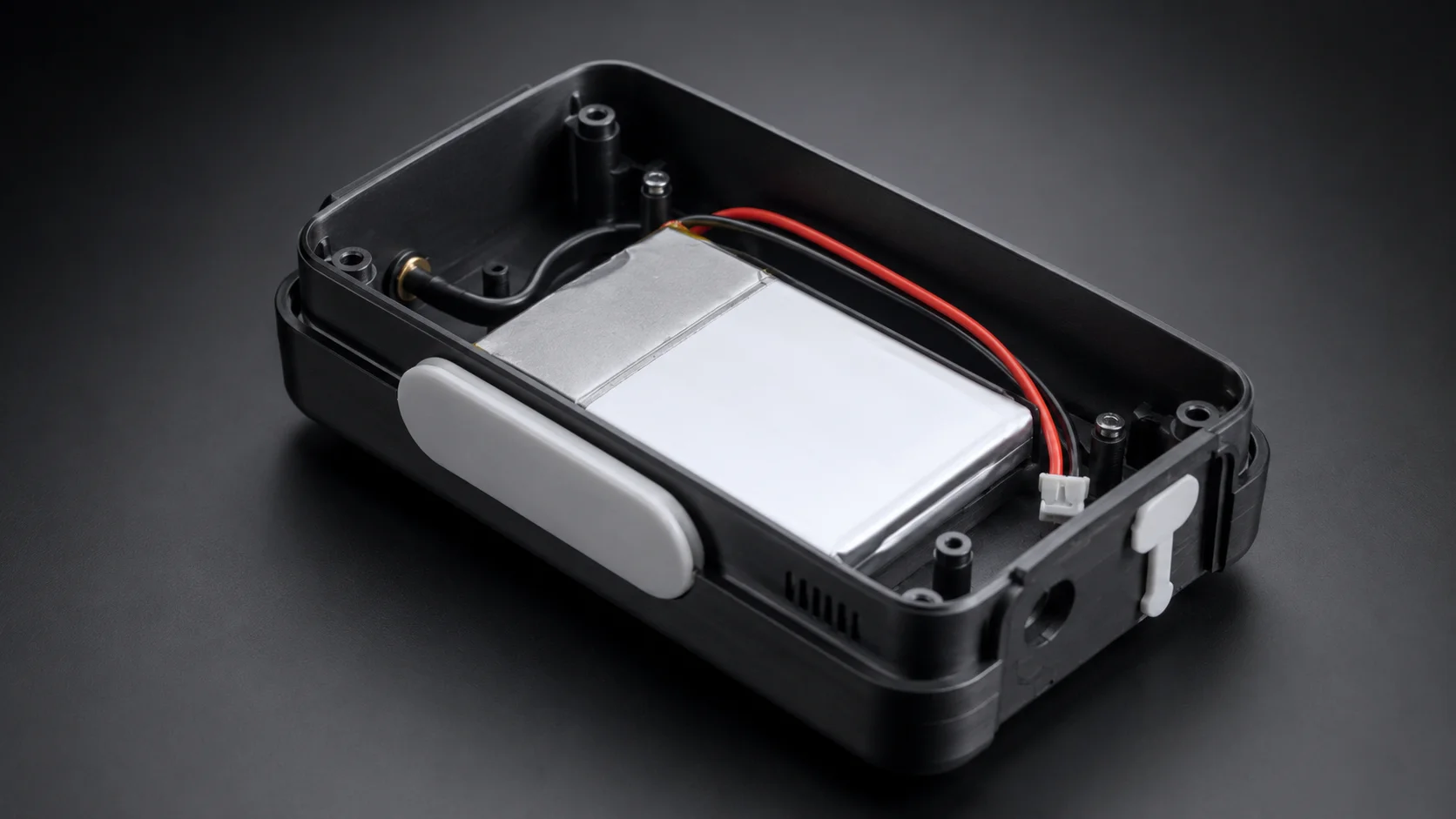
Battery integration demands careful consideration of safety, accessibility, and thermal management requirements. The I-closure design incorporates a dedicated battery compartment that securely retains the power source while providing necessary ventilation and thermal isolation. The compartment dimensions accommodate standard battery form factors with appropriate safety margins.
The fixation system includes multiple retention methods to prevent battery movement during device operation and handling. Spring-loaded contacts ensure reliable electrical connections while accommodating normal battery dimensional variations. The design prevents battery displacement that could interrupt power delivery or damage internal connections.
Thermal management considerations influenced the battery compartment design significantly. Ventilation channels and thermal isolation features prevent excessive heat buildup that could affect battery performance or safety. The compartment walls include thermal barriers where necessary to protect temperature-sensitive components from battery-generated heat.
Access provisions allow for battery replacement and maintenance without requiring complete device disassembly. The IDIS India design team incorporated service-friendly features that reduce maintenance time and complexity. These features support field serviceability requirements while maintaining the overall enclosure integrity and environmental protection ratings.
Complete Development Timeline: Concept to Production
The development process began with comprehensive requirement analysis and feasibility studies to establish project parameters and constraints. Our team conducted detailed discussions with the client to understand application requirements, environmental conditions, and performance expectations. This initial phase established the foundation for all subsequent design decisions and engineering approaches.
The design phase progressed through multiple iterations, incorporating client feedback and technical optimization opportunities. I-closure engineers utilized advanced CAD modeling and simulation tools to validate design concepts before physical prototyping. This approach reduced development time and minimized costly design changes during later project phases.
Prototype development and testing validated design assumptions and identified optimization opportunities. Multiple prototype iterations refined the design through functional testing and user feedback incorporation. The testing phase confirmed mechanical performance, environmental resistance, and manufacturing feasibility across various production scenarios.
Production preparation involved tooling design, process optimization, and quality system development. IDIS India coordinated all aspects of production readiness, from material selection to final inspection procedures. The comprehensive approach ensured smooth transition from development to volume production, delivering consistent quality results that met all project requirements and exceeded client expectations.
Need Help Choosing the Right Enclosure? Get in Touch!